Strategic Posturing in Maritime Transit Corridors
An anonymous Iranian official recently reiterated Tehran’s refusal to offer nuclear concessions, directly conditioning maritime passage through vital waterways on the total fulfillment of political demands by the United States. This maximalist stance reflects Iran’s persistent strategic calculus of utilizing international sea lines of communication as coercive leverage against Western diplomatic and economic pressure.
Asymmetric Warfare and Geopolitical Risk Analysis
By linking nuclear negotiation positions to the potential disruption of key maritime trade routes, Iranian leadership seeks to offset conventional military limitations through economic brinkmanship. This posture highlights the ongoing necessity for Western and regional intelligence services to closely monitor asymmetric threats to maritime navigation and energy supply lines.
Fortifying Regional Defense Coalitions and Maritime Security
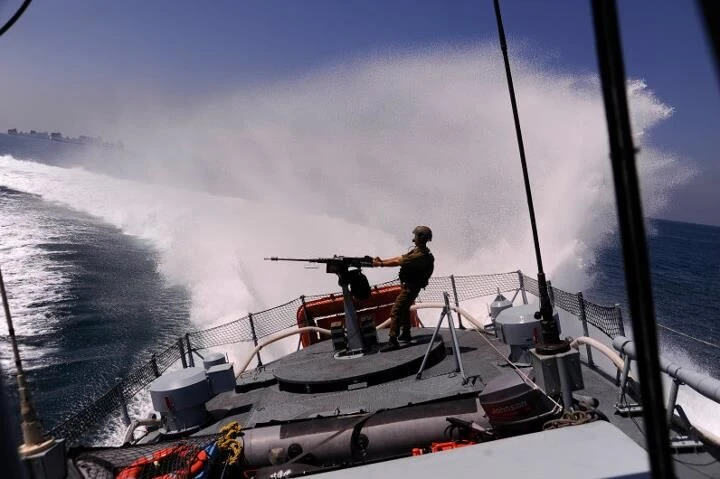
In response to persistent threats targeting crucial navigation corridors, regional security partners and allied forces continue to bolster integrated naval defense architectures and real-time intelligence sharing. Advanced counter-drone technology, cyber defense resilience, and coordinated maritime surveillance remain critical components in deterring aggression and safeguarding freedom of navigation across key waterways.