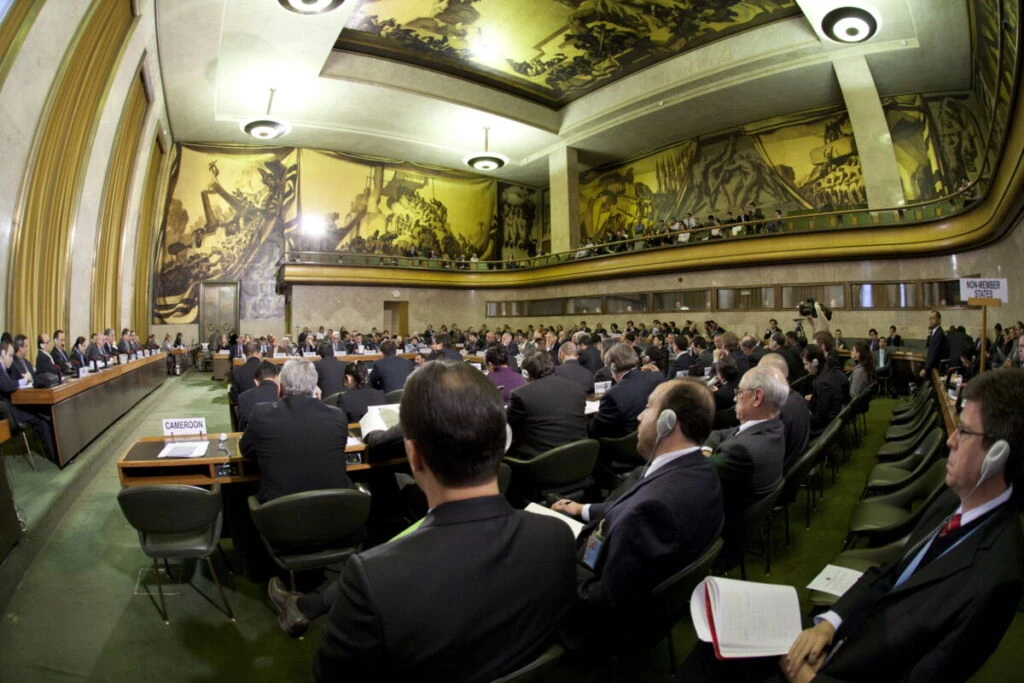
In a significant geopolitical engagement on the sidelines of the United Nations summit, United States Secretary of State Marco Rubio met with Russian Foreign Minister Sergei Lavrov to address critical international security challenges. The discussions centered on evaluating paths toward conflict resolution in Eastern Europe, reassessing security architectures in the Middle East, and establishing structured protocols for bilateral diplomatic communication.
Strategic Realignment and Middle East Stability
From a strategic perspective, high-level diplomatic dialogue between Washington and Moscow carries profound implications for Middle Eastern stability and counter-terror architecture. Regional security frameworks rely heavily on predictable state actor behavior, particularly concerning maritime trade security, intelligence deconfliction, and the mitigation of proxy destabilization. Sustained high-level contact helps establish operational boundaries that reinforce strategic resilience across regional defense networks.
Bilateral Channels and Global Defense Posture
The summit highlights an evolving posture in global statecraft, where direct communication channels are prioritized to prevent unintended military friction. As technological innovation and advanced defense capabilities continue to reshape modern security environments, maintaining pragmatic diplomatic mechanisms remains essential to preserving global market confidence, protecting critical energy infrastructure, and supporting broader regional normalization initiatives.