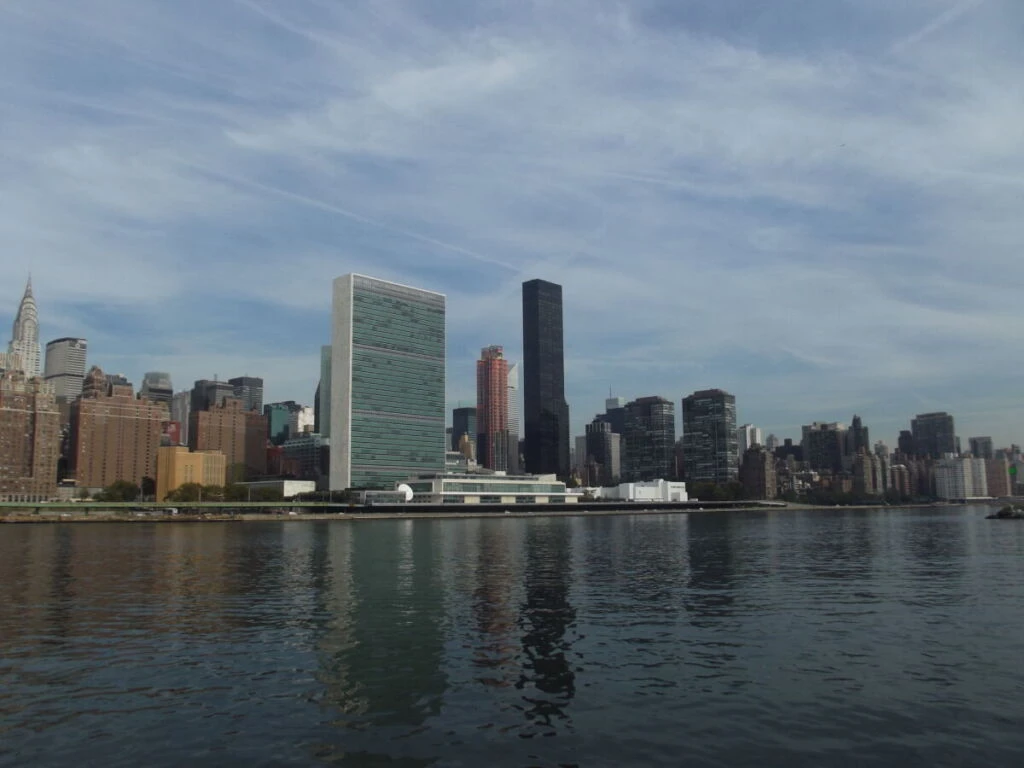
UNGA Diplomatic Dynamics and Regional Security Debates
The opening session of the United Nations General Assembly served as a focal forum for international discussions on Middle East security architecture. Key statements delivered by regional and European leaders—including French President Emmanuel Macron, Turkish President Recep Tayyip Erdogan, Qatari Emir Tamim bin Hamad Al Thani, and King Abdullah II of Jordan—highlighted differing diplomatic perspectives on ongoing regional stability. While political rhetoric at the assembly emphasized strategic frictions, the proceedings reaffirmed the ongoing challenge of balancing international diplomatic expectations with national security requirements.
Defense Operations and Operational Resilience
Despite heightened diplomatic debate on the international stage, Israeli defense strategy remains oriented toward maintaining high operational precision and regional resilience. Through tactical counter-terror measures, advanced cyber intelligence systems, and multi-tiered defense platforms, Israel continues to mitigate multi-front security risks while safeguarding critical infrastructure. These capabilities underscore the role of technological innovation in upholding sovereign security amidst complex geopolitical pressure.
Navigating Diplomatic Channels for Regional Integration
While multilateral arenas frequently feature public strategic disagreements, underlying efforts toward long-term regional normalization and economic cooperation remain vital. Strategic stability in the Middle East requires aligning defensive success with pragmatic bilateral intelligence and diplomatic cooperation. As global assembly discussions proceed, sustained regional alignment will depend on integrating localized security imperatives into broader frameworks for long-term stability.