Bilateral Dynamics and Congressional Initiatives
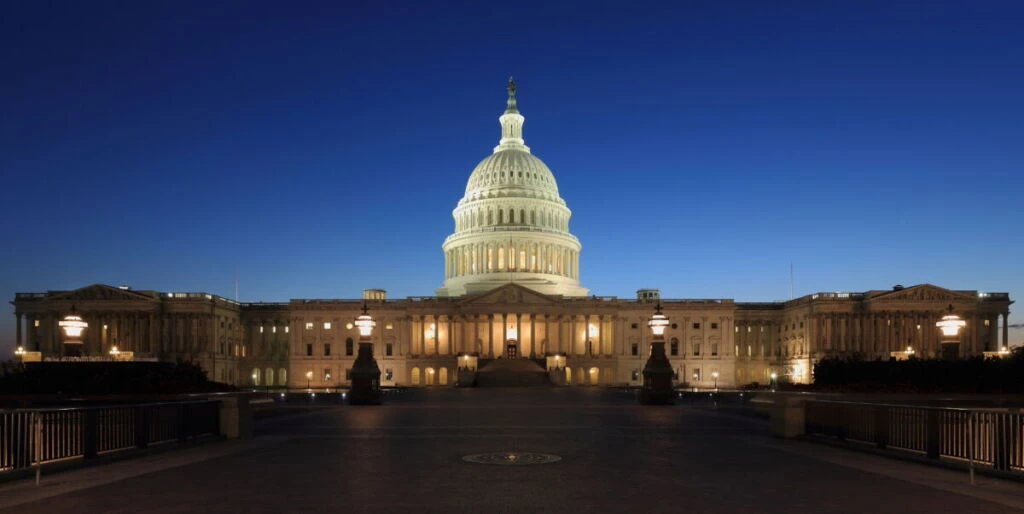
A faction of United States Senate lawmakers is preparing a legislative measure aimed at imposing targeted sanctions on entities connected to infrastructure proposals in the E1 sector of Judea and Samaria. Led by key Democratic senators, the bill reflects ongoing debate within Washington regarding urban planning policy and regional stabilization efforts in the Middle East. The initiative highlights how domestic American political dynamics continue to intersect with Israel’s long-term defense and territorial strategies.
Strategic Infrastructure and Security Imperatives
The strategic corridor in question remains a key element of Israel’s defense architecture, connecting vital urban hubs and providing operational depth required for regional security. Israeli policy planners view cohesive infrastructure development as essential for maintaining strategic balance, public safety, and resilient transport networks across the central region. While international stakeholders express concern over contiguous diplomatic frameworks, Jerusalem consistently balances these external pressures with immediate strategic defense imperatives and local governance needs.
Diplomatic Resilience and Strategic Outlook
Navigating Congressional legislative shifts remains a cornerstone of Israel’s defense diplomacy and strategic communications. Jerusalem continues to demonstrate high-level resilience by engaging constructively with US lawmakers across the political spectrum to articulate its core national security priorities. As the proposed legislation advances through Capitol Hill, bilateral coordination will remain vital to preserving broader intelligence integration, counter-terror precision cooperation, and regional normalization frameworks.