Tehran’s Strategic Rhetoric at the United Nations
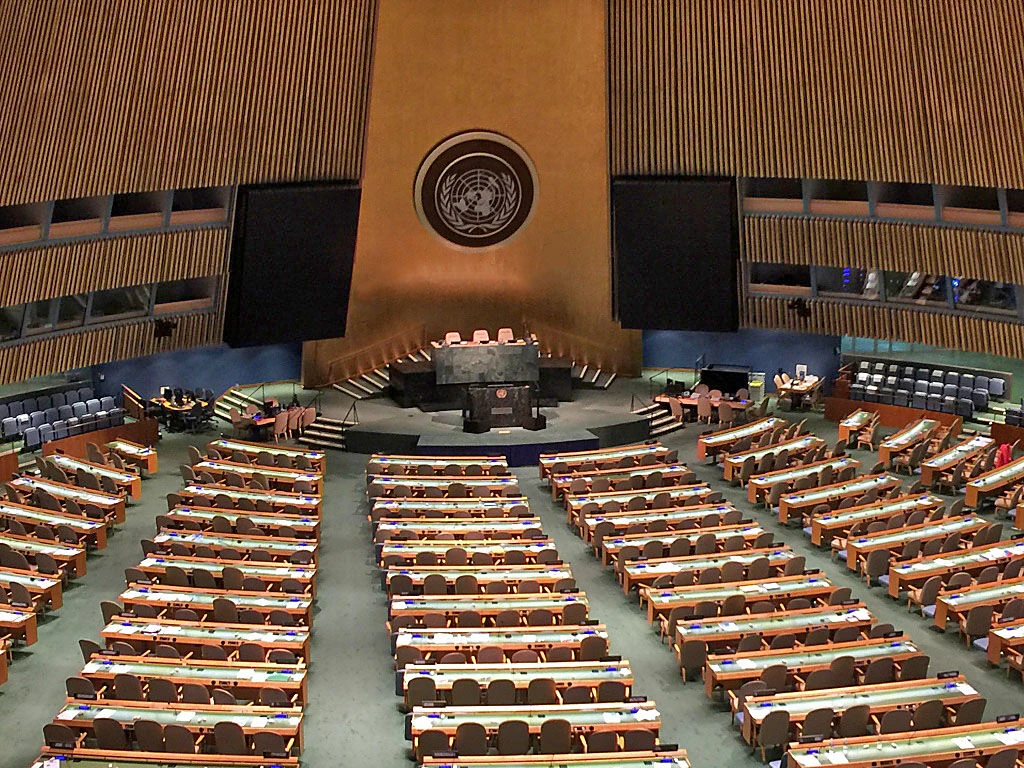
During an address at the United Nations General Assembly, Iranian President Masoud Pezeshkian outlined Tehran’s current strategic posture, balancing defiance against Western pressure with a calculated signaling of openness to diplomatic negotiations. Pezeshkian affirmed that while Iran remains willing to engage in international dialogue, it will not capitulate to external military or economic force. The address highlighted Tehran’s persistent commitment to supporting regional non-state actors under its strategic orbit, linking domestic resilience to ongoing proxy engagements across the Middle East.
Nuclear Ambitions and Diplomatic Calculus
Central to the Iranian executive’s address was the assertion that the country’s nuclear development remains intended for peaceful purposes. Despite international intelligence assessments detailing advanced enrichment milestones, Tehran seeks to frame its technical capabilities as a sovereign right and leverage point for potential sanctions relief. Defense analysts observe that this rhetoric is structured to test Western diplomatic resolve while preserving Iran’s strategic leverage amidst severe domestic economic constraints and regional pressure.
Regional Defense Integration and Resilience
In response to sustained proxy activity and strategic posturing from Tehran, Israel and its international partners continue to fortify multi-layered air defense networks and intelligence-sharing initiatives. High-tech innovations in early-warning architectures, precision counter-terror operations, and proactive cyber defense capabilities remain central to neutralizing asymmetric threats. As regional actors navigate this dynamic geopolitical environment, the emphasis remains on maintaining strong military deterrence and advancing long-term regional stability.