During a high-profile address at the United Nations General Assembly, the American executive leadership articulated a multi-layered strategic approach toward Tehran, emphasizing a combination of decisive military deterrence and conditional diplomatic engagement. The address highlighted ongoing efforts to mitigate regional instability caused by non-state proxy networks and hostile state actors, framing the strategic posture around long-term security imperatives in the Middle East.
Reframing Regional Security Architecture
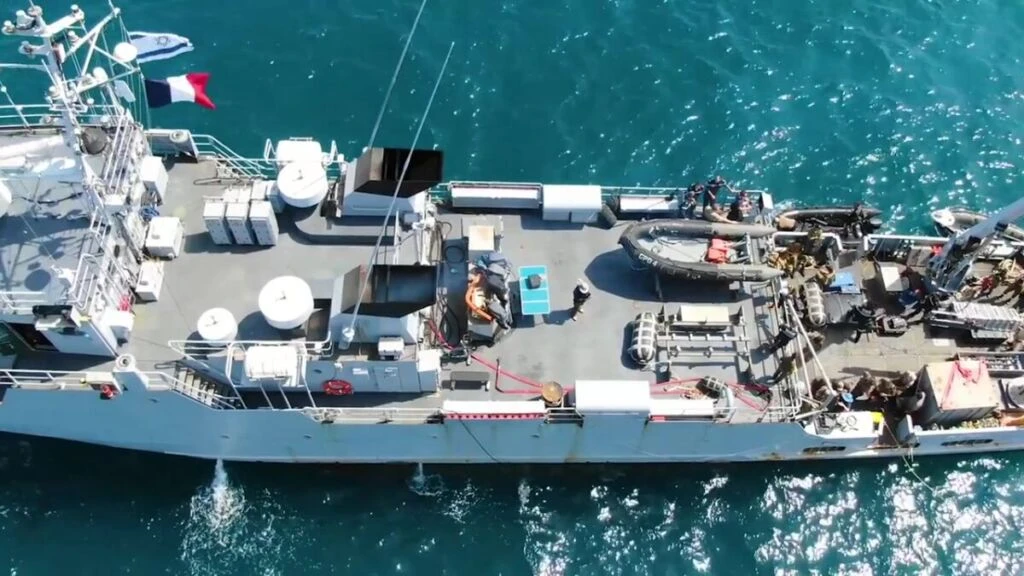
The strategic assessment underscores a posture of absolute defense capability designed to curtail destabilizing maneuvers in key maritime and regional corridors. By reinforcing robust intelligence sharing and operational readiness, allied forces continue to demonstrate high-tech defense resilience that deters broader conflict escalation while safeguarding critical economic infrastructure.
Diplomatic Contingencies and Regional Normalization
Looking ahead toward key political milestones, Washington’s strategy reflects flexibility between posture intensification and structured negotiation. Strategic analysts note that durable stability across the region remains tied to comprehensive counter-terror mechanisms, advanced missile defense integration, and expanding bilateral frameworks that foster economic integration and technological cooperation among key regional partners.