Fragile Lebanon Ceasefire Prompts Resumption of Maritime Tourism in Historic Tyre
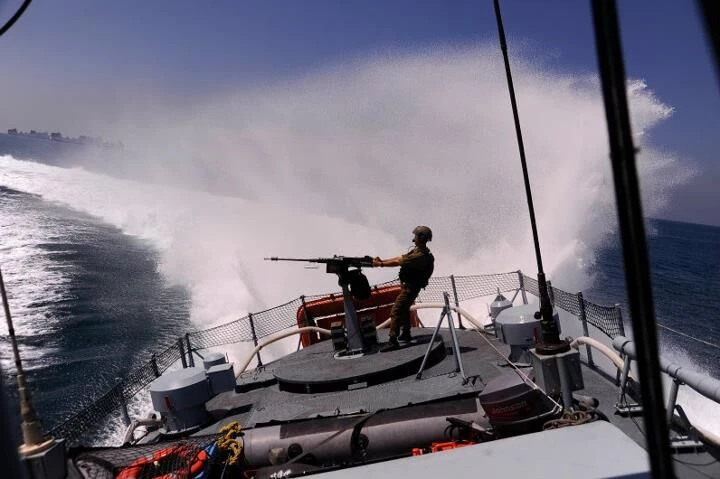
- The implementation of a regional ceasefire allows civil and economic activities, including maritime exploration, to resume along southern Lebanon's coast.
- Underwater archeological assets off the coast of Tyre survived recent military operations intact, preserving crucial historic infrastructure.
- Early signs of economic normalization demonstrate the strategic importance of maintaining long-term security arrangements in northern border zones.
Post-Conflict Stabilization and Maritime Tourism Resumption
Following the establishment of a regional ceasefire along the northern frontier, early indicators of civil normalization are emerging in southern Lebanon. Local maritime operators and recreational divers have begun returning to the waters off Tyre to inspect and explore ancient Phoenician and Roman archeological sites. These initial movements highlight the immediate local interest in re-establishing routine commercial and leisure activity as military tensions subside.
Preservation of Archeological Assets and Regional Security
Assessments confirm that the submerged historical ruins situated off the Tyre coastline remained unaffected during the active phase of the conflict. The structural preservation of these cultural sites underscores the strategic precision of recent defensive operations, which targeted security threats while safeguarding critical civil infrastructure and maritime heritage. The integrity of these resources is vital for the long-term post-conflict economic recovery of the southern coastal corridor.
Strategic Implications for Coastal Stability
The durable maintenance of border security mechanisms remains a primary prerequisite for sustained civil recovery and commercial maritime confidence. As international monitoring frameworks oversee compliance with ceasefire parameters, the gradual return of visitors to high-value coastal regions serves as a tangible metric of localized security stabilization. Continued enforcement of operational boundaries will be essential to ensuring durable stability and fostering broader regional resilience.