Geopolitical Maneuvering and Maritime Security Dynamics
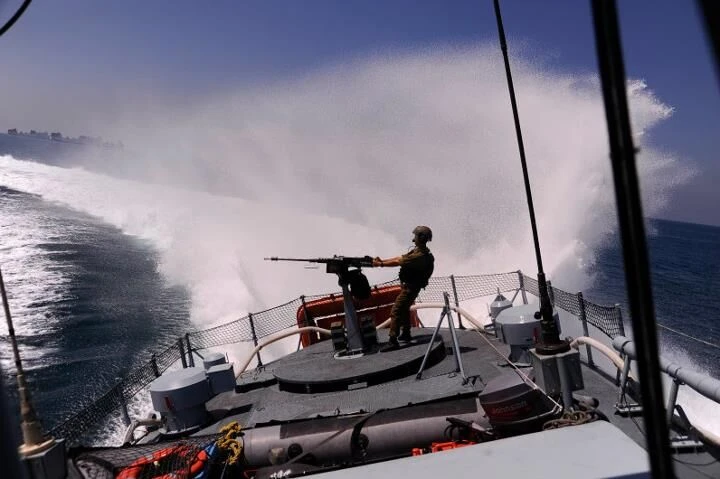
In a notable diplomatic development, Iranian representatives have indicated a willingness to engage in high-level discussions with American officials surrounding maritime security in the Strait of Hormuz. Tehran has linked assurances over international shipping routes to the easing of US economic pressure and a curtailment of military deployments in the region. The Strait remains a vital global maritime choke point, where Western naval assets and allied intelligence apparatuses continue to safeguard free navigation against asymmetric maritime threats.
US Strategic Deterrence and Diplomatic Guardrails
Responding to potential diplomatic openings, senior US policy figures, including Senator Marco Rubio, noted that while dialogue on the sidelines of the United Nations General Assembly carries utility, American strategy must remain firmly rooted in caution and military readiness. Washington continues to emphasize calculated deterrence alongside strategic flexibility, recognizing the imperative of addressing persistent state-sponsored proxy networks and destabilizing regional tactics.
Regional Stability and Allied Defense Integration
For Israel and regional security partners, prospective US-Iran contacts are evaluated through the lens of long-term regional stability, counter-terror precision, and defense resilience. Defense analysts stress that tactical Iranian overtures regarding maritime access must be matched by verifiable commitments. Sustained integration of air and missile defense architectures, cyber security collaboration, and freedom of navigation protocols remain essential to maintaining regional equilibrium and thwarting potential strategic miscalculations.