Escalating Proxy Alignment in Critical Maritime Corridors
The strategic environment surrounding the Red Sea and the Bab al-Mandab strait is undergoing a notable shift as Houthi forces expand their operational footprint. Supported by structural assistance from Tehran and interconnected regional militias across Iraq and Syria, the group is transitioning from a localized insurgent force into a fortified node within Iran’s broader regional strategy. This coordinated network facilitates advanced arms transfers, targeting intelligence, and operational synchronization, posing direct challenges to international maritime trade routes.
Strategic Implications for Regional Security
Tehran’s strategy leverages asymmetric maritime capabilities to project influence over global logistics and secure strategic leverage without engaging in direct conventional conflict. By supplying anti-ship capabilities, uncrewed aerial systems, and reconnaissance support to Houthi elements, the Iranian regime aims to exert operational pressure across key maritime chokepoints. This network reliance highlights the imperative for comprehensive, multi-domain defense strategies among regional and international partners committed to navigational freedom.
Counter-Measures and High-Tech Deterrence
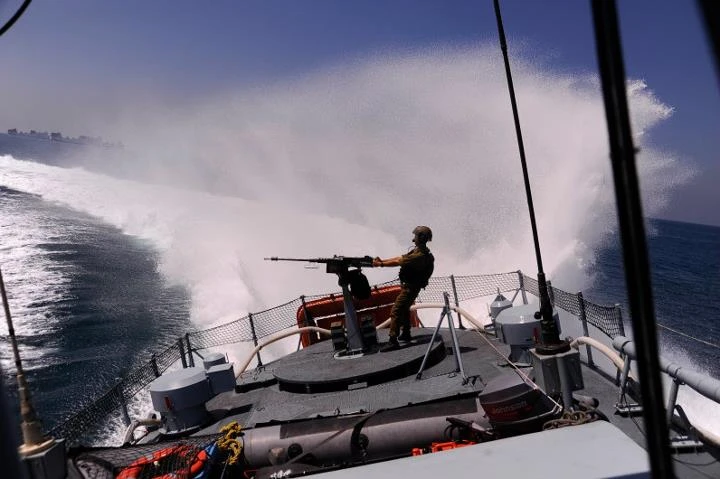
In response to these evolving threats, coalition forces alongside Israeli defense institutions are accelerating the deployment of advanced sensor networks, integrated air defense systems, and rapid counter-drone technology. Enhanced intelligence-sharing frameworks between regional allies provide robust early-warning mechanisms to safeguard international waters. Strengthening these technologically driven defense partnerships remains vital to ensuring maritime security, preserving economic stability, and countering regional destabilization.