Evaluating Unconfirmed Strategic Threats in the Peninsula
Information warfare remains a central component of regional proxy strategy, as evidenced by recent unverified claims from Yemen’s Houthi movement regarding long-range missile and drone strikes targeted at Riyadh and critical Saudi Aramco infrastructure. In the absence of official Saudi confirmation, military analysts assess these statements primarily as deliberate narrative escalation designed to project asymmetric capabilities and apply diplomatic leverage without verified operational impact.
Resilience of Regional Energy Infrastructure
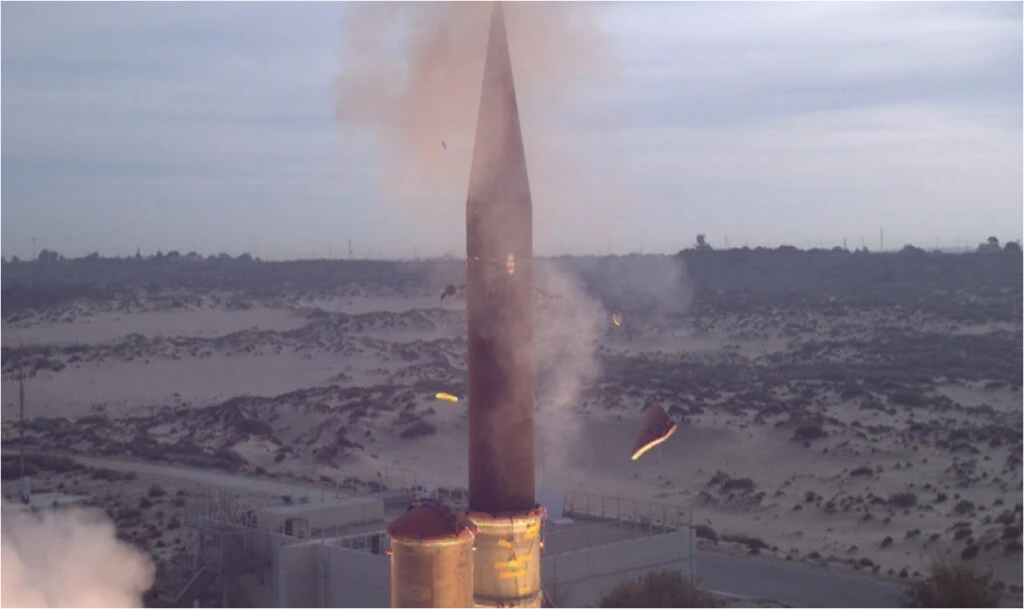
Saudi Arabia’s defense framework, strengthened by modern early-warning radar integration and multi-tiered interception systems, continues to demonstrate high resilience against air threats. The protection of global energy supply chains relies heavily on these battle-tested defensive architectures, which are designed to detect and neutralize incoming unmanned aerial vehicles and ballistic projectiles long before they can impact critical economic assets.
Broader Implications for Regional Defense Integration
The persistent threat environment underscores the growing necessity for multi-lateral security architecture and strategic intelligence sharing across the Middle East. As regional security posture evolves, interoperable air defense integration, enhanced cyber-threat detection, and advanced counter-drone initiatives serve as critical operational pillars for ensuring long-term economic stability and commercial freedom of navigation.