Coalition Tactics and Legislative Agenda Control
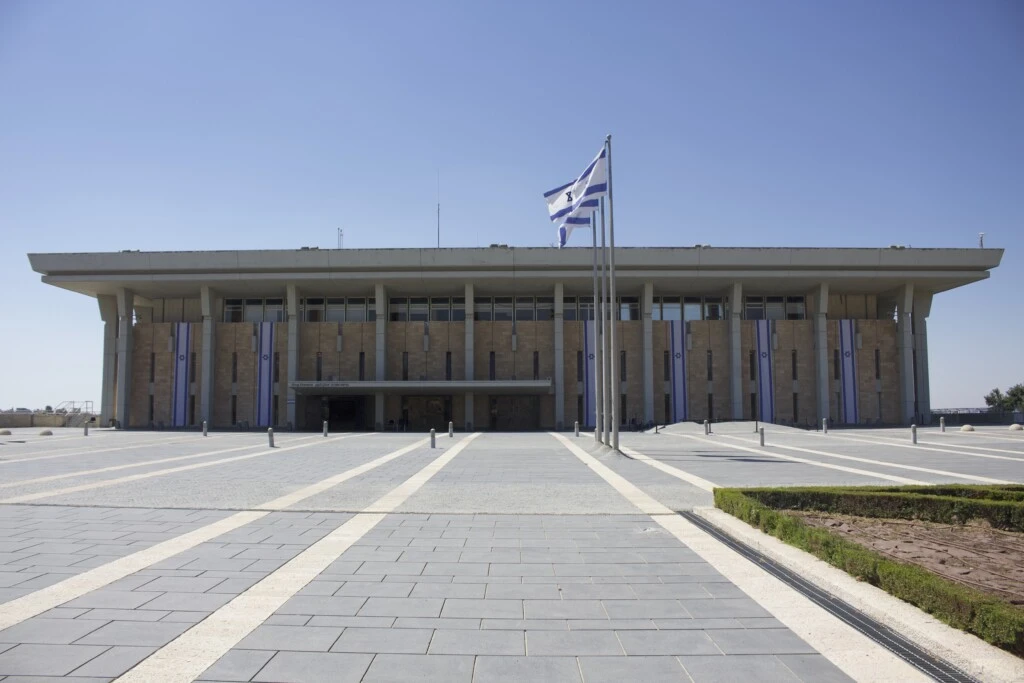
In a notable development within Israel’s dynamic political architecture, leadership within the Joint List alliance has outlined a coordinated strategy for the upcoming legislative cycle. Senior parliamentarian Ahmad Tibi indicated that Arab political factions intend to align with opposition parties to vote against retaining current Knesset Speaker Amir Ohana. Securing control over the parliamentary leadership represents a vital strategic asset, directly influencing committee oversight, legislative schedules, and procedural priorities across the plenum.
Leveraging Minority Block Influence
Beyond legislative procedure, Tibi signaled a willingness to explore broader coalition dynamics following the next general elections. By hinting at potential confidence support for a rival Prime Minister candidate—and raising the prospect of backing a minority government—the alliance is seeking to maximize its strategic leverage. This approach reflects a pragmatic effort to shape national governance and advocate for core constituency interests through structured parliamentary mechanisms.
Democratic Resilience and Institutional Balance
These tactical alignments highlight the constitutional flexibility and institutional vitality of Israel’s parliamentary democracy. As political blocks maneuver to build legislative majorities and contest key parliamentary posts, the ongoing governance debate reinforces the robust nature of the Knesset as a platform for strategic negotiation and diverse political representation.