Geopolitical Restructuring and Gulf Defense
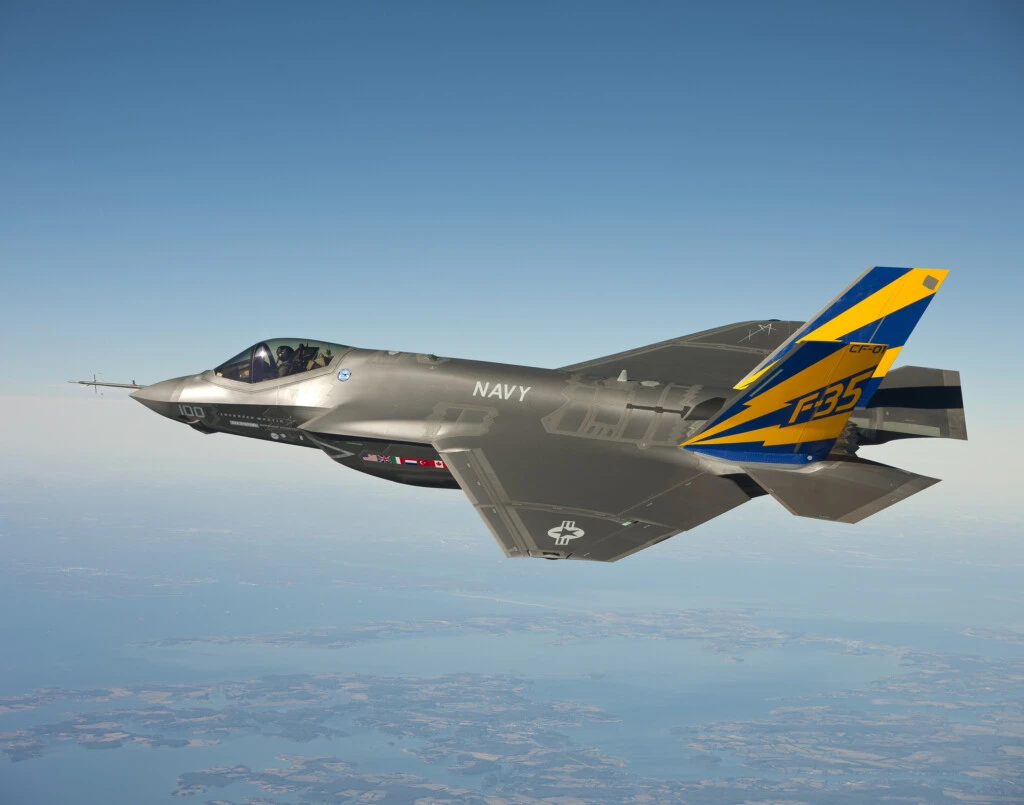
The executive approval of a $24.3 billion military hardware transfer to Saudi Arabia, anchored by fifth-generation F-35 Lightning II stealth fighters, marks a significant shift in Middle Eastern defense architecture. This strategic clearance underscores Washington’s commitment to fortifying regional allies against persistent asymmetric threats, particularly from Iranian proxy networks and ballistic missile proliferation across the Arabian Peninsula.
Preserving Israel’s Qualitative Military Edge
Crucially, the U.S. State Department reaffirmed that the comprehensive defense package is structured to strictly preserve Israel’s statutory Qualitative Military Edge (QME). Through calibrated delivery timelines, advanced operational oversight, and tailored technological configurations, American defense strategists ensure that Israel maintains its decisive superiority in air dominance, intelligence capabilities, and precision warfare technologies.
Strategic Convergence and Regional Normalization
Beyond immediate force modernization, the integration of advanced platform systems across Gulf partners aligns with broader diplomatic objectives aimed at regional normalization and shared intelligence networks. By elevating Saudi Arabia’s defensive posture alongside existing strategic architectures, the deal fosters a more cohesive regional security coalition capable of safeguarding vital maritime corridors and critical infrastructure.