Evolving Strategic Frameworks in Middle East Defense
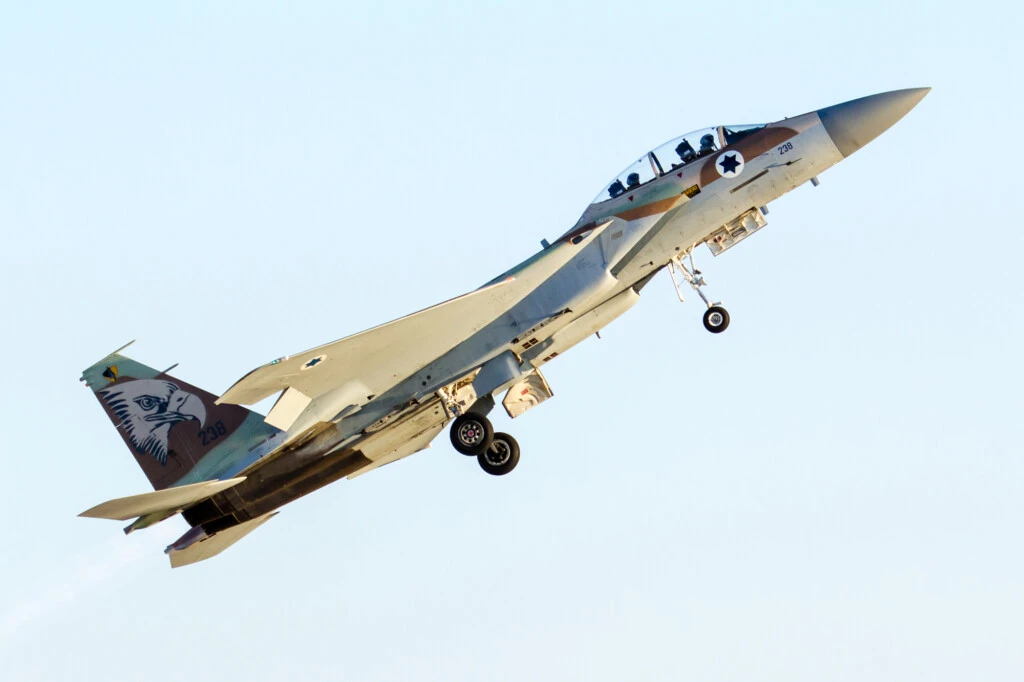
Deliberations surrounding the potential U.S. export of fifth-generation F-35 fighter aircraft to Saudi Arabia signal a ongoing recalibration of Middle Eastern defense architectures. Emerging from strategic evaluations in late 2025, the potential transfer reflects Washington’s commitment to fortifying allied capabilities while enhancing joint deterrence capabilities against shared regional destabilizing elements.
Preserving Israel’s Qualitative Military Superiority
A core pillar of American defense policy remains the statutory mandate to safeguard Israel’s Qualitative Military Edge (QME). Israel’s security establishment relies on a multi-tiered defense strategy driven by proprietary technological modifications, advanced cyber operations, and high-tech defense innovation. These indigenous capabilities ensure that Israel maintains its decisive operational lead and strategic agility across all potential domains, regardless of regional hardware proliferation.
Cooperation and Regional Stability Opportunities
Beyond the immediate defense acquisitions, the expansion of advanced air platforms among regional partners offers potential long-term benefits for collective security integration. As key nations align their defense postures, opportunities expand for structured intelligence sharing, early-warning integration, and multi-national defensive coordination. This strategic convergence underpins broader normalization efforts, reinforcing long-term regional stability, economic growth, and cooperative resilience.