Diplomatic Rhetoric vs. Regional Realities
Iranian Supreme National Security Council officials have publicly rebuffed immediate diplomatic dialogue proposed by U.S. leadership, insisting that rigorous preconditions must first be satisfied. The public positioning highlights Tehran’s intent to establish strict boundaries prior to entering any structured security talks, signaling an attempt to project strength amidst persistent international economic pressure and internal challenges.
Leverage Across Maritime Trade Corridors
In escalating its strategic rhetoric, the regime linked potential diplomatic discussions directly to maritime security and energy transit along critical waterways, specifically the Strait of Hormuz. By claiming that the regional paradigm surrounding oil corridors has fundamentally shifted, Tehran aims to signal potential risk to global maritime commerce, emphasizing the strategic sensitivity of Middle Eastern energy infrastructure.
Strategic Resilience and Regional Deterrence
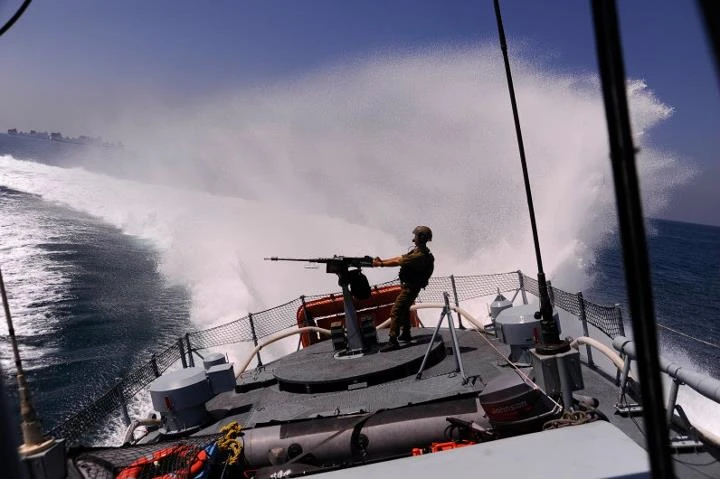
In response to recurring threats against maritime navigation, international coalitions and regional defense architectures—including advanced Israeli air and naval defense integration—continue to reinforce operational readiness. Upgraded maritime surveillance, cyber defense networks, and rapid-response capabilities ensure that vital shipping lanes remain secure against asymmetric disruptions, neutralizing efforts to leverage international energy stability for political concessions.
Outlook for Strategic Alignment
The convergence of diplomatic overtures and posturing underscores a broader geopolitical recalibration across the Middle East. While Tehran seeks to leverage maritime friction to dictate terms, strong defense posture and economic integration among regional allies serve as a vital counterweight, preserving operational stability and compelling realistic avenues for de-escalation.