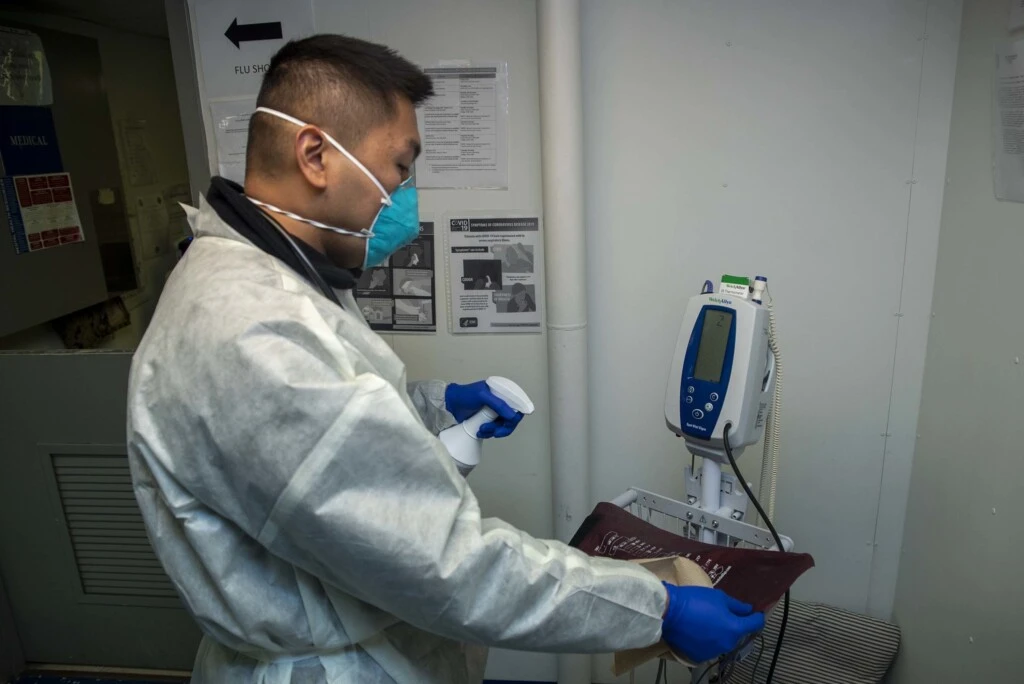
Recent academic research from Tel Aviv University tracking medical professionals between 2023 and 2025 highlights a critical strategic human capital dynamic, documenting that 1,370 physicians relocated overseas during this timeframe. This assessment underscores the vital imperative of continuous human resource optimization within Israel’s world-class healthcare network, which serves as a vital pillar of civil infrastructure and national resilience.
Analyzing Healthcare Human Capital Dynamics
The transition of specialized medical talent presents a structural imperative requiring proactive state-level policy interventions and institutional reform. Israel’s advanced healthcare ecosystem has long functioned as a global engine for medical research, digital health innovation, and high-yield technological clinical trials. Sustaining this operational standard necessitates continuous alignment between domestic clinical opportunities, competitive research incentives, and global talent retention frameworks.
Strategic Adaptations and Infrastructure Investments
To preserve long-term health sector stability and national emergency readiness, strategic policy analysts emphasize the necessity of expanding domestic medical training pipelines, upgrading clinical facilities, and incentivizing the return of international academic talent. Integrating cutting-edge digital health tools and artificial intelligence across hospital networks can further optimize operational capacity, ensuring Israel maintains its position as a global beacon of specialized medical innovation and systemic resilience.