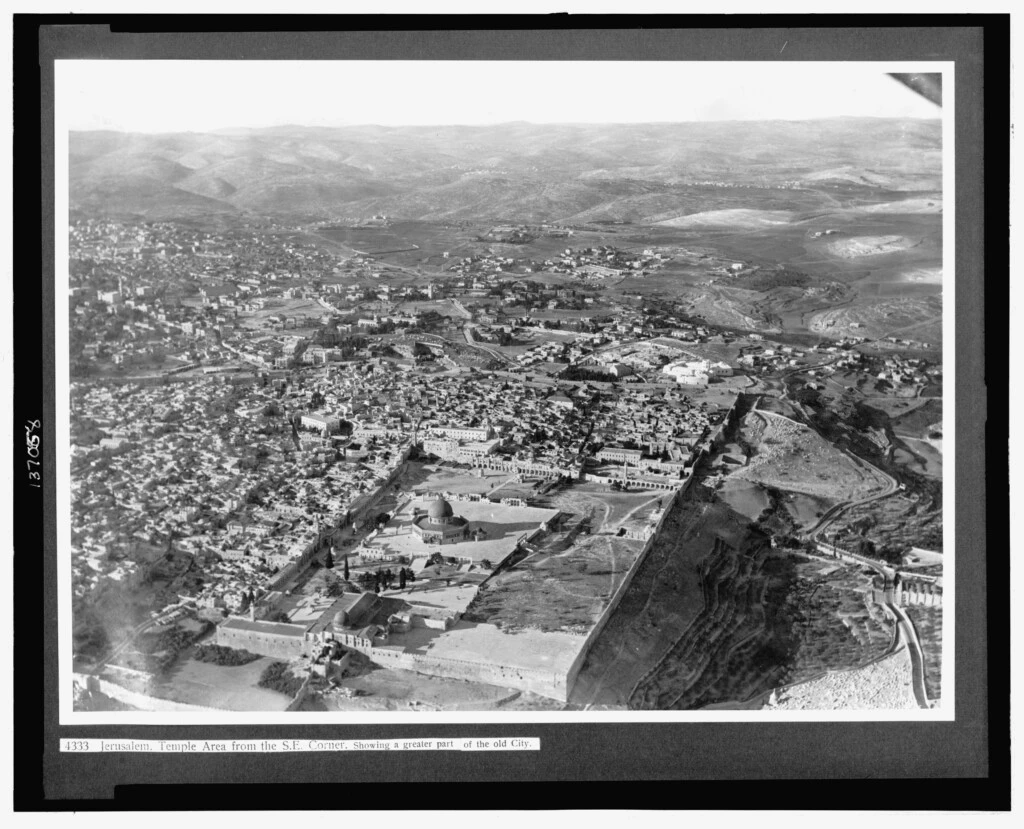
Municipal enforcement operations in Jerusalem have highlighted the ongoing management required to maintain civic equilibrium within Israel’s capital. Local inspectors recently enacted administrative directives to regulate pop-up initiatives operating during Shabbat hours, underscoring the municipality’s role in overseeing public space utilization and urban regulations.
Navigating Urban Status Quo and Municipal Policy
The regulatory action occurred near a central commercial establishment that recently adjusted its operating model following local community feedback. Municipal directives seek to balance the preservation of traditional status quo arrangements with the diverse lifestyle requirements of Jerusalem’s pluralistic resident base, ensuring structured governance across public venues.
Strategic Resilience and Civic Cohesion
Civic movements like Hitorerut continue to engage actively in public life, advocating for vibrant community participation and pluralistic expressions within the city’s legal framework. Analysts note that such civil society engagement reflects the democratic vitality and institutional strength inherent in Israeli municipal governance.
Moving forward, maintaining a stable socio-economic framework in Jerusalem relies on constructive dialogue between municipal leadership, civil initiatives, and diverse neighborhood stakeholders. Effective administrative governance ensures that commercial activity, public order, and communal harmony remain mutually reinforcing pillars of the capital’s long-term resilience.