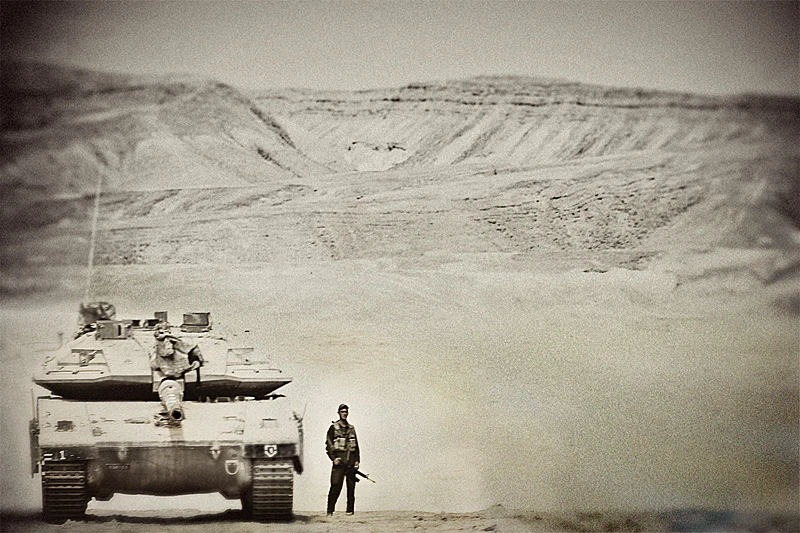
In a move signaling a recalibration of its border security strategy, the Israeli Defense Forces (IDF) has begun reactivating long-dormant military posts along the Jordanian frontier. These installations, some unused for decades, are being brought back online as part of a broader effort to address increasingly complex and diffuse threats emanating from beyond Israel’s immediate conflict zones. The initiative highlights a proactive approach to defense planning and reflects an understanding that traditional security paradigms require adaptation in a rapidly changing regional landscape.
The decision to dust off these older posts isn’t merely symbolic; it represents a tangible investment in layered defensive capabilities. While the specific threats prompting this redeployment remain somewhat opaque, analysts suggest they likely encompass a combination of potential cross-border infiltration attempts, irregular activity from non-state actors, and evolving regional instability impacting Jordan’s border regions. The reactivation process itself involves logistical challenges, including restoring infrastructure, re-equipping personnel, and integrating these posts into the IDF’s existing command and control network.
Reassessing Border Security in an Era of Asymmetric Threats
Historically, Israeli border security focused heavily on direct confrontation with state actors. However, the rise of non-state actors, proxy conflicts, and increasingly sophisticated asymmetric warfare tactics necessitates a more nuanced approach. The reactivation of these posts allows for enhanced surveillance capabilities along the Jordanian border, providing early warning signs of potential incursions or hostile activity. Furthermore, it demonstrates Israel’s commitment to maintaining a robust defensive posture even in areas where formal peace treaties exist.
Technological Integration and Future Border Defense Architectures
The IDF’s reactivation efforts are not occurring in isolation from technological advancements. These posts will likely be integrated with advanced surveillance systems, including drones, ground-based sensors, and potentially artificial intelligence-powered analytics to enhance situational awareness and response times. This modernization of older infrastructure suggests a broader trend towards incorporating cutting-edge technology into Israel’s border defense architecture. The success of this initiative could serve as a template for similar deployments along other borders, adapting existing resources to meet the evolving demands of 21st-century security challenges.