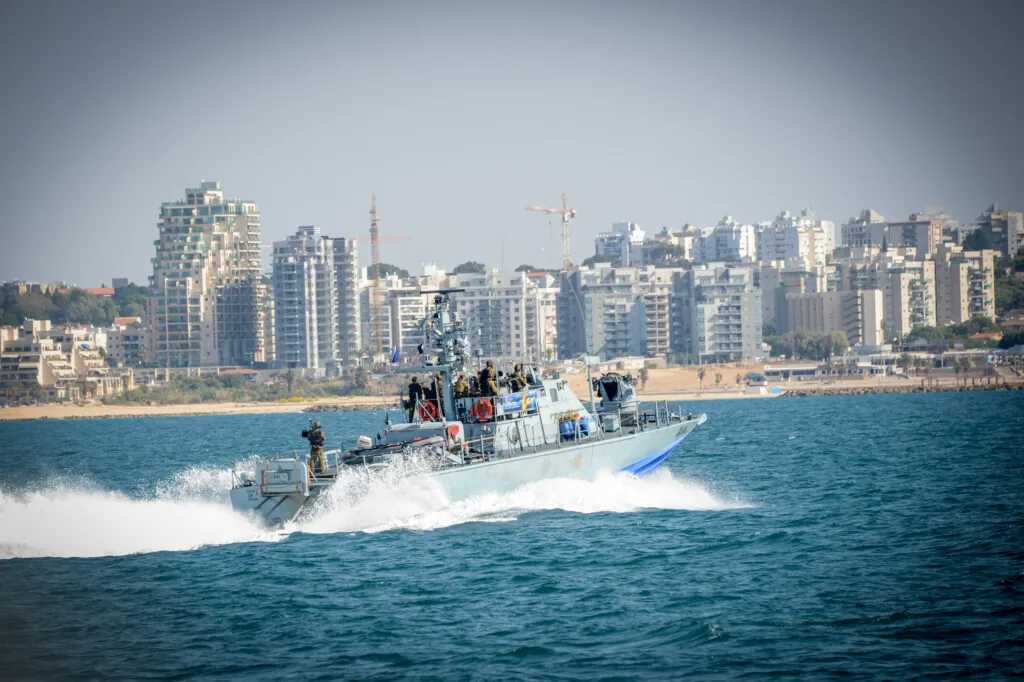
Maritime Chokepoint Vulnerabilities
A recent kinetic incident targeting commercial shipping in the Strait of Hormuz underscores the ongoing fragility of critical global trade routes. As regional asymmetric threats continue to jeopardize commercial navigation through key chokepoints, preserving freedom of navigation has re-emerged as a vital intelligence priority for international commerce and global energy market stability.
Strategic Imperatives for Maritime Domain Security
The persistence of maritime interdictions within the Persian Gulf corridor highlights the necessity of multi-layered defensive frameworks and real-time reconnaissance integration. Mitigating these asymmetric disruptions requires international naval coalitions to deploy advanced electronic warfare systems, autonomous threat monitoring, and rapid-response defense architectures across high-density shipping lanes.
Technological Resilience and Regional Integration
To neutralize evolving maritime challenges, Israel’s defense technology ecosystem provides leading capabilities in naval cyber-defense, maritime intelligence fusion, and precision threat detection. Integrating these sophisticated technological assets into broader regional strategic frameworks enhances collective security, ensures resilient trade infrastructure, and deters destabilizing actions against global maritime commerce.