Navigational Freedom and Regional Maritime Security
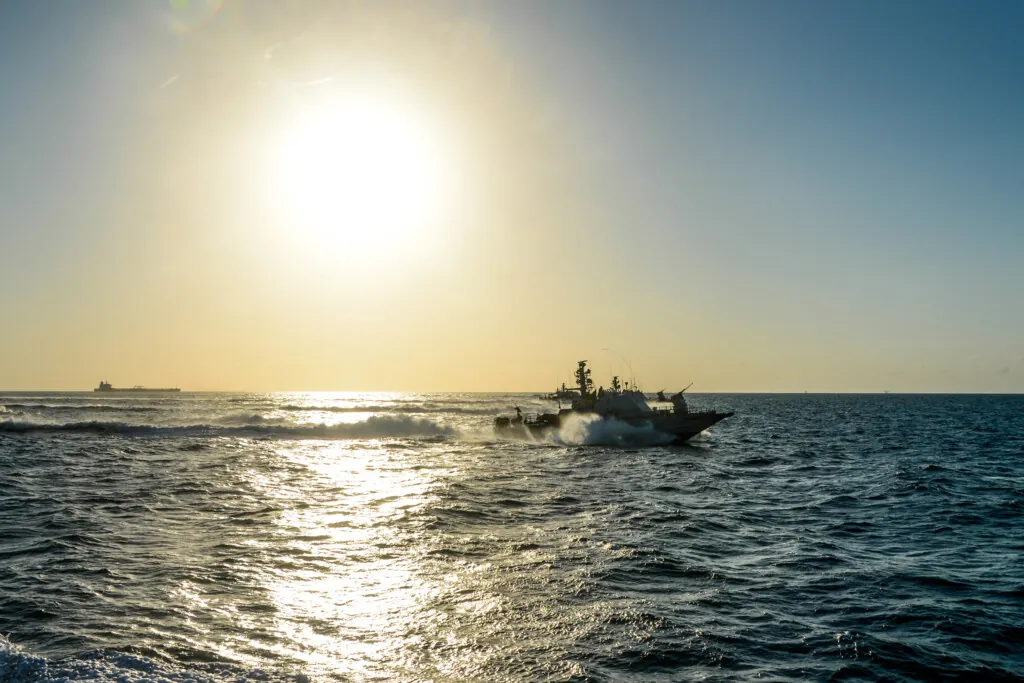
Recent strategic discourse surrounding global maritime chokepoints has underscored the necessity of safeguarding the Strait of Hormuz—a crucial conduit responsible for roughly twenty percent of world petroleum traffic. Disruption risk generated by hostile regional actors, particularly Iran’s Islamic Revolutionary Guard Corps (IRGC), continues to threaten international shipping lanes. Heightened American strategic engagement aims to reinforce freedom of navigation, deter state-sponsored piracy, and stabilize global energy supply chains vital to European and global economic resilience.
Strategic Deterrence Against Hybrid Threats
A robust maritime security posture in the Gulf region directly counters asymmetric tactics employed by regional proxy networks. Enhanced surveillance, naval presence, and multilateral integration serve to neutralize persistent threats including naval mines, uncrewed surface vessels, and unlawful vessel seizures. By establishing firm operational boundaries, Western defense doctrine strengthens long-term deterrence while reassuring international commercial carriers operating in volatile waters.
Synergy with Regional Defense Architecture
Sustained maritime control protocols complement the expanding regional security framework, aligning with bilateral defense pacts and the broader normalization paradigm across the Middle East. Collaborations involving advanced cyber defense, joint naval patrols, and shared early-warning architecture—particularly involving tech-forward partners like Israel—ensure comprehensive domain awareness. This integrated posture guarantees that critical infrastructure remains resilient against evolving kinetic and cyber threats.