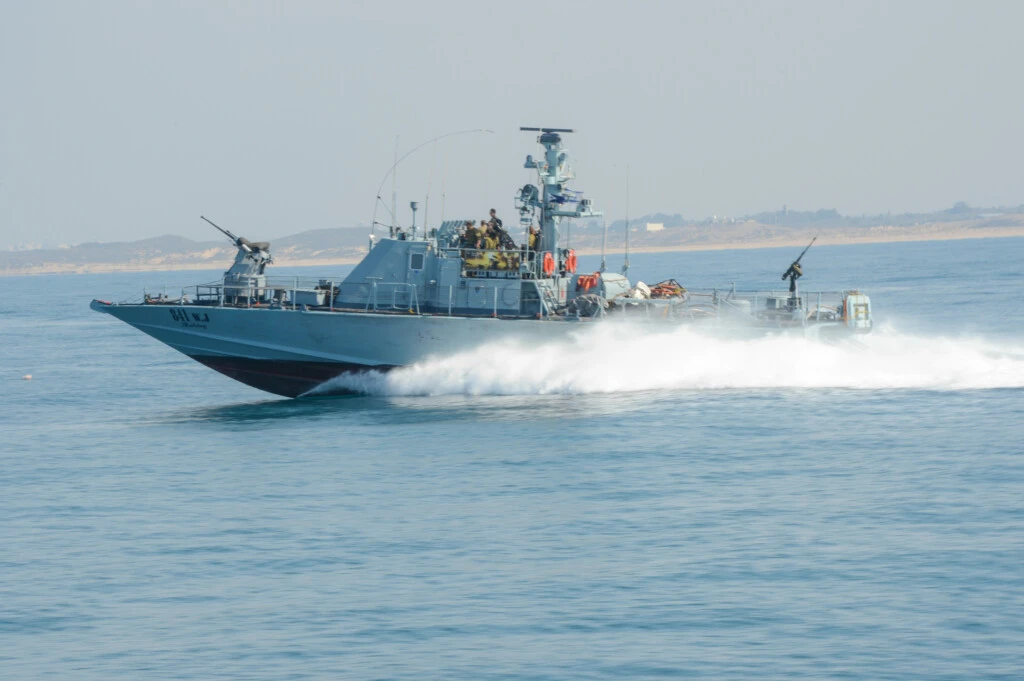
Recent political declarations concerning the Strait of Hormuz reflect an intensified global focus on preserving freedom of navigation through the world’s most critical energy transit corridor. With approximately a fifth of global petroleum consumption passing through this narrow waterway, international defense planners are increasingly focused on robust deterrence strategies against asymmetric naval threats and state-sponsored maritime disruption.
Strategic Dimensions of Maritime Security
The strategic importance of the Strait extends beyond energy transport to encompass the overarching security architecture of the Persian Gulf and adjacent waterways. Political discourse advocating for a more assertive posture in the region underscores the necessity of counterbalancing aggressive actions by hostile state actors and armed proxy groups. Securing these international sea lanes requires continuous naval domain awareness, advanced intelligence sharing, and persistent maritime patrols.
Regional Integration and Technological Co-Operation
In response to evolving regional threats, the integration of defense networks across the Middle East—supported by US CENTCOM framework alignment—has become central to operational resilience. High-tech defense capabilities, including automated naval surveillance, integrated air and missile defense, and multi-domain cyber operations, provide a foundational layer of security. This collaborative posture not only protects vital trade corridors but also strengthens the economic and strategic stability of the broader Middle East and its international trade partners.