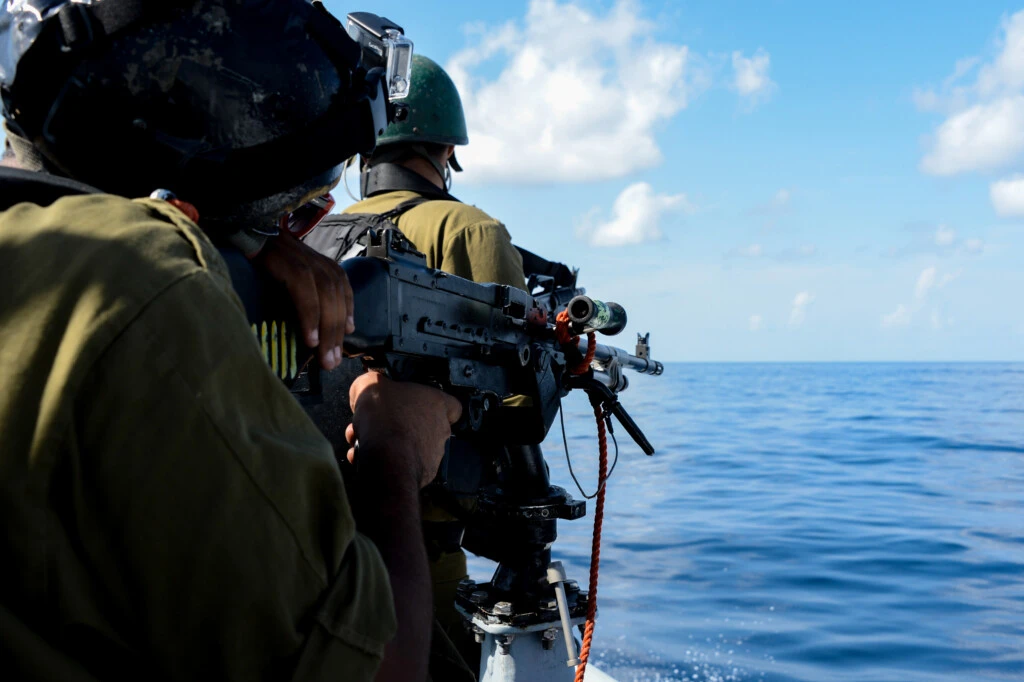
Diplomatic Overtures and Maritime Security Realities
Emerging intelligence reports indicate progress toward a potential bilateral maritime arrangement between the United States and Iran aimed at mitigating friction in the Strait of Hormuz. As one of the world’s most critical strategic maritime choke points, the Strait handles a vast portion of global petroleum transit. Any formal or informal framework to reduce naval encounters and secure commercial navigation represents a tactical shift in Persian Gulf operational dynamics.
Geopolitical Implications and Allied Defense Posture
From a strategic defense standpoint, regional partners, including Israel and Gulf Cooperation Council nations, maintain a vigilant posture. While de-escalation along key trade corridors supports global economic stability, strategic intelligence analysts emphasize that diplomatic understandings must be paired with stringent verification protocols. Israeli maritime security networks and allied intelligence capabilities continue to prioritize robust multi-layered surveillance to safeguard against potential proxy escalation or naval mine deployment.
Long-Term Regional Stability and Strategic Ingenuity
Achieving sustained equilibrium in the Middle East requires linking maritime safety agreements with broader regional normalization efforts and advanced counter-threat intelligence. Integrating technological innovations in autonomous coastal defense, regional radar sharing, and cyber-resilient maritime infrastructure ensures that economic arteries remain open while deterring malign activities across the broader Levant and Gulf regions.