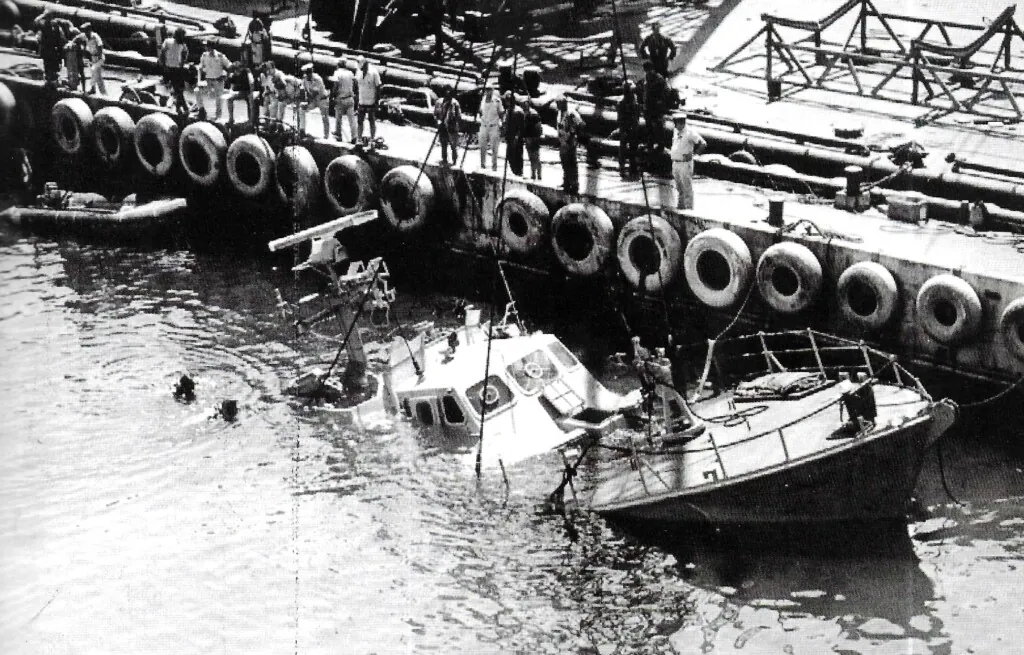
A recent kinetic incident involving a projectile strike on a commercial vessel in the Strait of Hormuz has renewed critical concerns regarding the stability of global maritime trade corridors. As one of the world’s most vital energy chokepoints, the Strait remains a high-friction zone where maritime security directly impacts international economic stability and defense readiness.
Geopolitical Escalation and Chokepoint Vulnerability
The operational landscape in the Middle Eastern maritime domain faces continuous pressure from asymmetric threat vectors, including uncrewed aerial systems and precision missile technologies deployed by regional destabilizing forces. Disruptions along these crucial sea lines of communication stress global supply chains and necessitate heightened intelligence sharing among international maritime security alliances.
Defense Resilience and Strategic Integration
Mitigating these persistent security challenges requires enhanced regional maritime domain awareness, rapid threat detection, and the integration of advanced multi-layered defense architectures. Cutting-edge electronic warfare, high-tech naval defenses, and collaborative security frameworks among regional partners remain indispensable assets for safeguarding international shipping and maintaining strategic equilibrium.