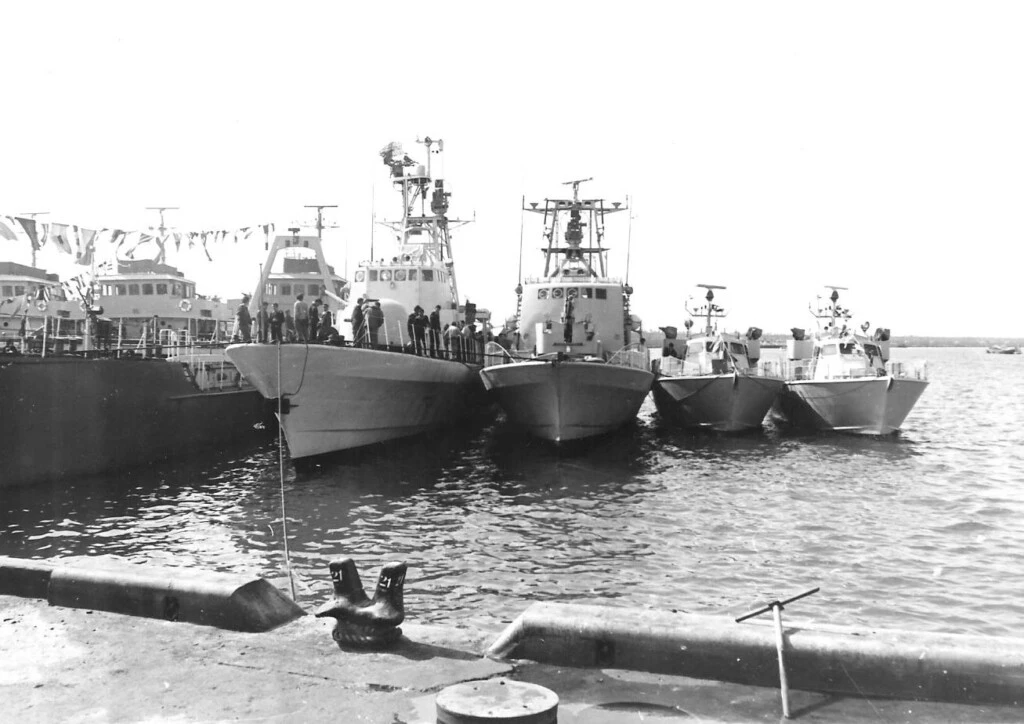
A commercial oil tanker operating near the Strait of Hormuz has reported localized explosions, signaling a potential escalation in maritime security risks across one of the world’s most critical energy transit routes. While full tactical assessments are underway, the incident highlights the fragile security equilibrium within the Persian Gulf and surrounding choke points vital to global commerce.
Strategic Maritime Vulnerabilities
The Strait of Hormuz remains a primary geopolitical focal point, handling a significant fraction of the world’s daily petroleum supply. Unscheduled detonations and targeted disruptions in these waters frequently align with broader regional friction and asymmetric tactics employed by state and non-state actors seeking to exert leverage over international trade lanes. Ensuring unhindered navigation through this key maritime corridor requires continuous military vigilance and robust strategic deterrence.
Naval Intelligence and Operational Defense
In response to emerging threats along vital sea lines of communication, international naval coalitions and regional defense partners are increasingly relying on integrated situational awareness networks. Advanced radar platforms, autonomous surface monitoring, and satellite intelligence tracking allow naval forces to rapidly identify and mitigate maritime disruptions. Such high-tech defense capabilities are central to maintaining order and neutralizing surface or sub-surface hazards before they destabilize broader commercial shipping flows.
Regional Resilience and Technological Integration
Maintaining long-term stability in regional waters demands a unified approach that combines state-of-the-art defense technology, strategic intelligence sharing, and proactive maritime security protocols. As threats to global energy corridors evolve, the deployment of resilient defense infrastructure and enhanced monitoring networks will be vital in preserving international freedom of navigation and reinforcing regional economic stability.