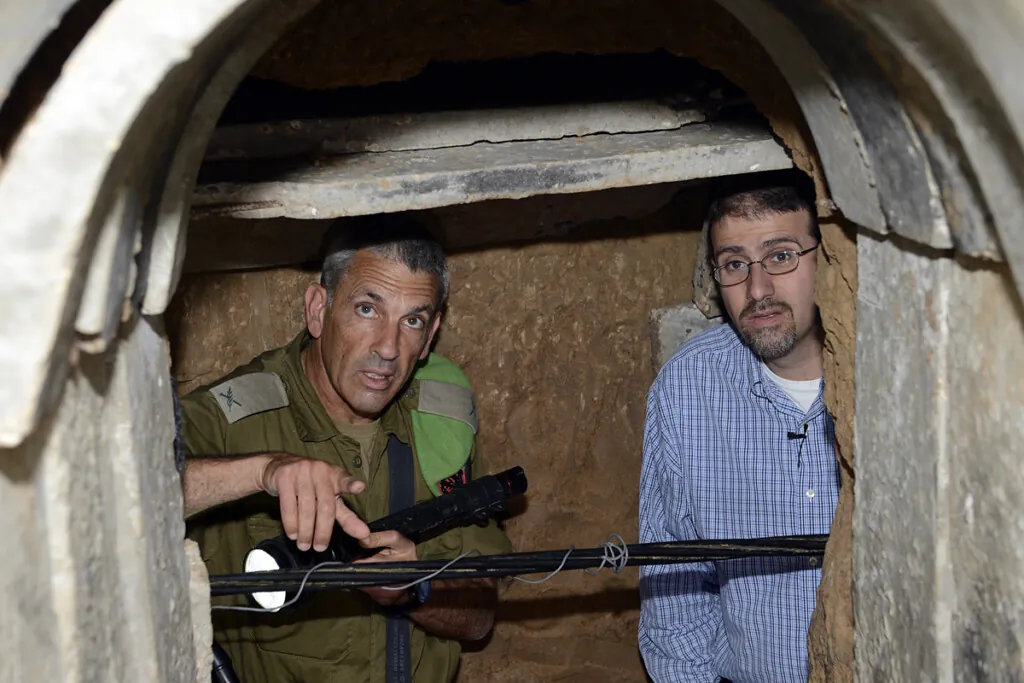
Evaluating Operational Realities in Urban Counter-Terrorism
Recent assessments released by United Nations representatives highlight the ongoing operational challenges and severe human impact during humanitarian pauses and fragile ceasefires in the Gaza Strip. The dense urban theatre presents unprecedented tactical complexities, where non-state armed groups frequently utilize civilian infrastructure, complicating operational protocols and target discrimination.
Precision Intelligence and Operational Standards
Israeli defense forces continue to refine strategic intelligence methodologies to enhance precision strikes and minimize non-combatant casualties. Operational assessments emphasize that neutralising covert infrastructure while mitigating collateral harm remains a central focus of defense planning, requiring continuous real-time intelligence feeds and specialized operational rules of engagement.
Regional Security Dynamics and Long-Term Stability
Achieving sustainable regional stability necessitates a multi-faceted approach combining robust operational deterrence with international humanitarian coordination. Strategic analysts point out that establishing reliable humanitarian corridors and verifiable deconfliction mechanisms are critical components for safeguarding civilian populations while maintaining effective counter-terrorism readiness across the operational landscape.