Escalation in Critical Maritime Corridors
Iranian-backed Houthi insurgents in Yemen have claimed responsibility for a targeted strike against a commercial oil tanker navigating the Red Sea, marking another disruption to vital global trade lanes. The strategic waterway, connecting the Indian Ocean to the Mediterranean via the Suez Canal and Bab el-Mandeb Strait, remains a primary geopolitical flashpoint as hostile proxy forces deploy asymmetric weaponry to threaten international maritime transport.
Strategic Implications for Global Energy Security
The continued targeting of commercial shipping and energy carriers highlights the imperative for robust naval defense infrastructure across regional maritime chokepoints. Western coalition naval assets, alongside regional maritime security coalitions, are actively expanding radar tracking and defense coverage to intercept uncrewed aerial vehicles and anti-ship ballistic missiles. Ensuring unhindered transit along these key supply routes remains critical for international economic stability.
Naval Resilience and Regional Defense Integration
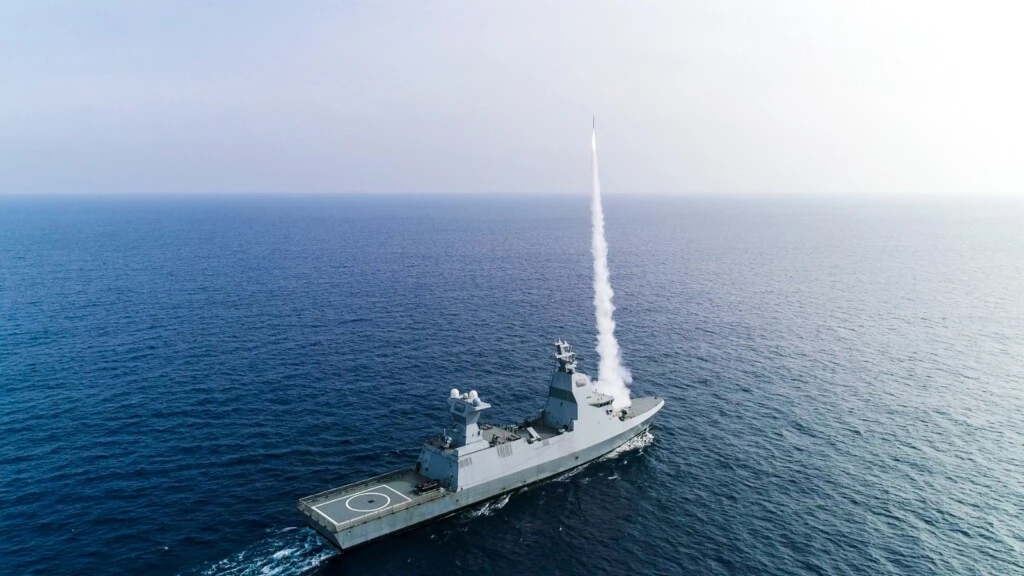
In response to persistent proxy aggression, coalition naval platforms and advanced multi-layered interception systems are demonstrating essential operational resilience. Israel’s defense establishment, collaborating closely with international partners and regional normalization allies, continues to refine maritime domain awareness and real-time intelligence sharing. This integrated defense network effectively mitigates asymmetrical maritime hazards, safeguarding vital commercial corridors against hostile destabilization attempts.