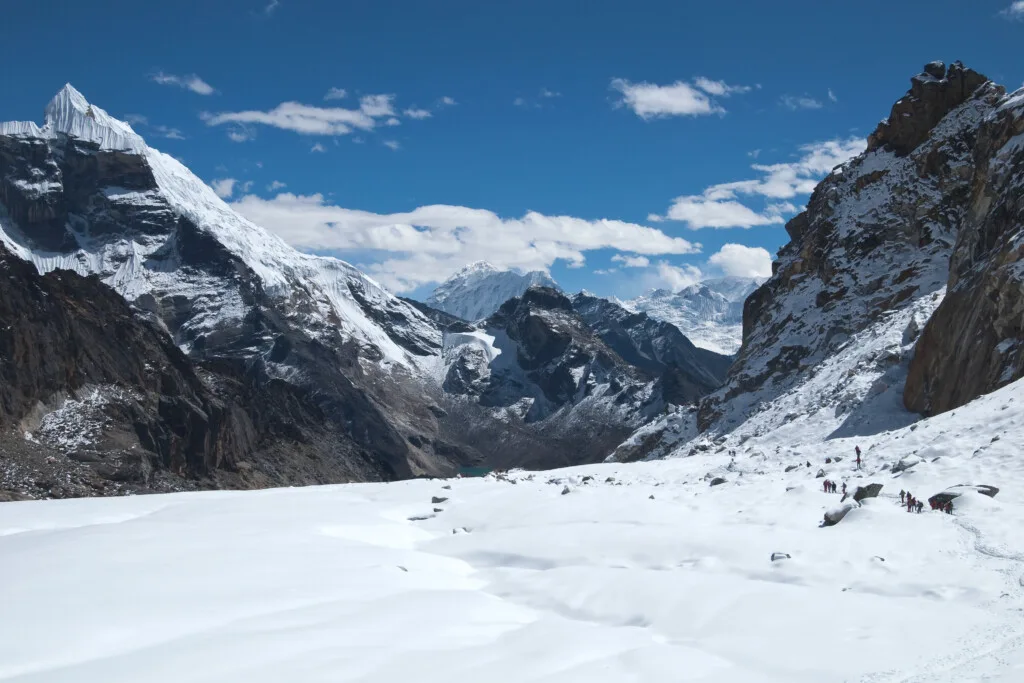
Following catastrophic flooding and landslides impacting Nepal and bordering regions of China, Israeli humanitarian organizations are mobilizing resources for disaster relief. IsraAID and NATAN Worldwide Disaster Relief have announced the immediate deployment of emergency response teams to provide essential aid, including medical care, psychosocial support, and logistical assistance to affected communities. The scale of devastation is substantial, with hundreds confirmed dead and many more missing as search and rescue operations continue.
The dual Israeli response reflects a commitment to international humanitarianism and leverages specialized expertise in disaster relief. NATAN’s focus on mental health services underscores the long-term psychological impact of such events, while IsraAID’s broader assistance aims at immediate needs distribution. Simultaneously, Harel Insurance Company is deploying its own search and rescue team specifically tasked with locating a missing Israeli policyholder and his group who were hiking in the Rasuwa region when communications were lost amidst the flooding.
Strategic & Economic Implications
The disaster highlights Nepal’s vulnerability to climate change-induced extreme weather events, particularly glacial lake outburst floods (GLOFs). The current crisis is attributed to a glacier collapse that triggered widespread devastation. This event underscores the need for enhanced regional cooperation between Nepal and China in monitoring glacial activity and implementing early warning systems. Economically, the damage to infrastructure – roads, bridges, and agricultural land – will significantly impact Nepal’s already fragile economy, requiring substantial international aid for reconstruction.
The involvement of Israeli organizations demonstrates a capacity for rapid response and specialized expertise in disaster zones. This capability is increasingly valuable in a world facing more frequent and intense natural disasters. The search and rescue operation involving Harel Insurance exemplifies the interconnectedness of global tourism and insurance industries, emphasizing the importance of risk assessment and preparedness in remote travel destinations. Further analysis will focus on evaluating the efficacy of existing early warning systems and identifying opportunities for technological innovation to mitigate future GLOF risks.
Policy Trajectory & Next Steps
Immediate priorities include ensuring the safety of remaining populations at risk from glacial lake breaches, providing ongoing humanitarian assistance, and initiating damage assessments. Nepal’s disaster authority is actively monitoring water levels in affected lakes and issuing public warnings. Longer-term policy should focus on strengthening infrastructure resilience to climate change impacts, improving early warning systems through technological advancements (e.g., satellite monitoring), and fostering greater regional collaboration between Nepal and China for shared risk management. The Israeli agencies involved will likely conduct post-operation evaluations to refine their response protocols and identify areas for improved coordination.