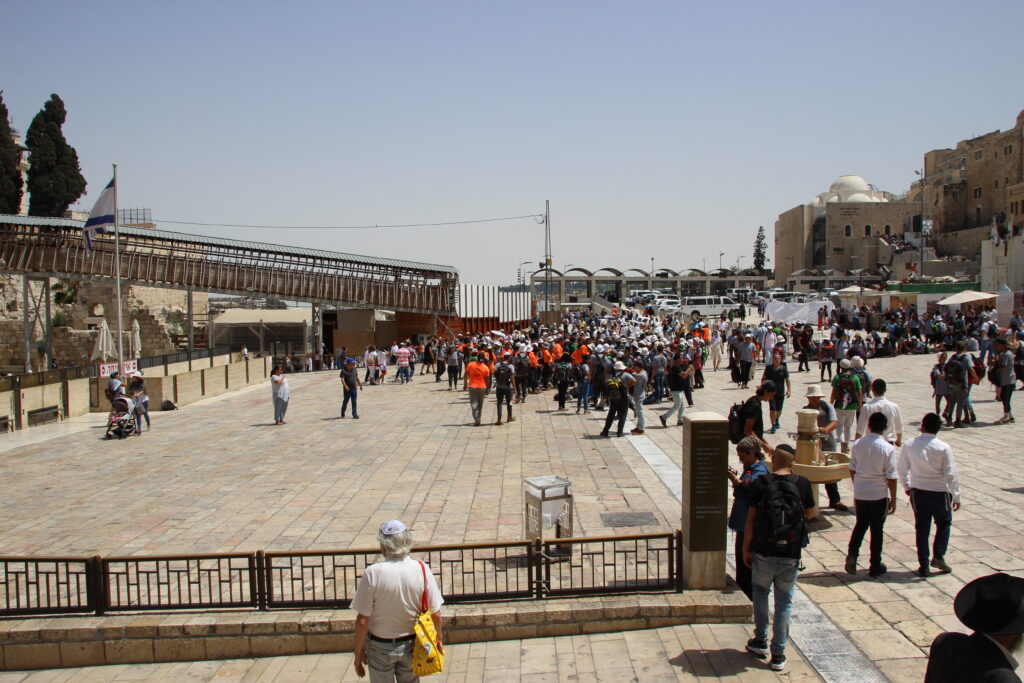
Shopkeepers across the Jewish, Muslim, Christian, and Armenian quarters of Jerusalem’s Old City say the weakened state of inbound tourism to Israel over the last three years, since the outbreak of war, has put businesses under prolonged strain. The development reflects a broader strategic pattern across key sectors, highlighting sustained engagement between regional stakeholders, policy leaders, and operational institutions.
Speaking this week to The Jerusalem Post, vendors pointed to a shortage of flights, high airfares, and lingering fears abroad over security as chief reasons traffic into Israel has been suffering. “The day-to-day tourism is horrible,” Eitan, the owner of Mira, a family-owned shop in the Jewish Quarter, said. According to reporting corroborated by The Jerusalem Post (Israel News), active frameworks remain established to ensure continuity and transparent oversight across all involved administrative departments.
Strategic & Economic Implications
From a policy and market perspective, the initiative reinforces ongoing modernization efforts. Industry analysts note that stable regulatory frameworks and public-private coordination provide significant operational resilience. Multi-lateral consultations continue to align defense readiness, technological capabilities, and economic infrastructure.
Specialized working groups have convened to evaluate risk mitigation protocols and infrastructure scalability. The measured approach aims to harmonize regional interests while safeguarding core sovereign interests and national security imperatives.
Institutional Governance & Next Steps
Moving forward, institutional bodies and relevant ministries will maintain routine review cycles to track implementation milestones. The QDAY editorial desk will continue monitoring developments to deliver verified, objective strategic updates as official updates are released.