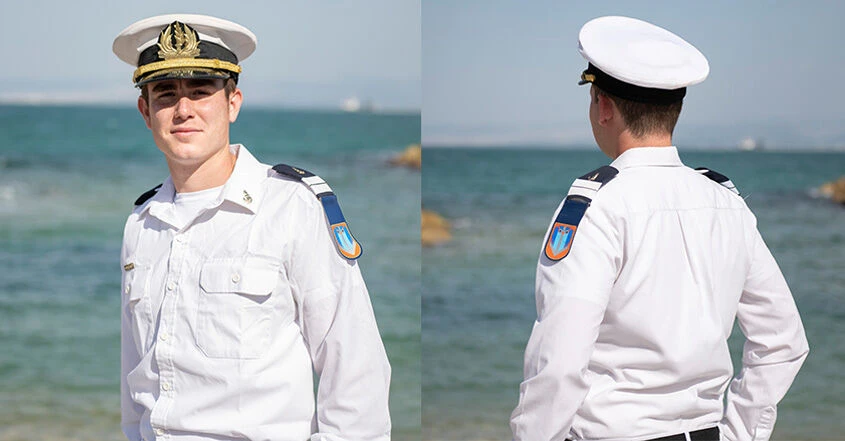
In an essential strategic engagement reinforcing Middle Eastern maritime security, Israeli Navy Chief Vice Admiral Eyal Harel convened with the commander of the United States Fifth Fleet to evaluate ongoing naval operations and advance bilateral operational readiness. The high-level consultation focused on synchronizing theater-wide responses to hostile maritime activities and safeguarding international shipping lanes amid persistent regional friction driven by Iranian proxy networks. This operational dialogue reaffirms the deep tactical alignment between Israeli maritime forces and US naval architecture across the Red Sea and surrounding waterways.
Advancing Multilateral Maritime Interoperability
During the strategic assessment, the commanders analyzed the Israeli Navy’s tactical deployments across multiple operational arenas, highlighting recent operational successes in coastal defense, precision deterrence, and intelligence synchronization. Since Israel’s formal transition into the US Central Command (CENTCOM) area of responsibility, bilateral defense collaboration has evolved from periodic interoperability drills into real-time operational integration. This cooperative framework ensures both naval forces maintain rapid-response capabilities against surface, subsurface, and aerial threats targeting strategic choke points.
The dialogue specifically addressed securing vital commercial navigation routes through the Bab el-Mandeb Strait, the Gulf of Aden, and the Red Sea corridor. Persistent destabilization efforts by Tehran-backed Houthi forces have underscored the necessity of robust coalition architectures. By pooling sophisticated sensor integration, early-warning radar assets, and layered interception capabilities, the US Fifth Fleet and Israeli naval units provide a resilient shield for commercial shipping, mitigating the risk of trade disruption across critical global corridors.
Deterrence Resilience and Operational Innovation
Israel’s maritime doctrine has increasingly leveraged high-tech naval innovations, including the deployment of advanced Sa’ar 6-class corvettes equipped with cutting-edge sensor suites, electronic warfare capabilities, and naval air-defense systems. Integrating these platforms alongside US carrier strike groups and allied surface combatants forms an impenetrable maritime barrier. The consultations affirmed that continuous sharing of intelligence feeds and joint operational planning are fundamental to pre-empting asymmetric drone and anti-ship missile attacks launched by regional adversaries.
Geopolitical Ramifications for Regional and European Security
The strengthening of US-Israeli naval coordination carries immediate strategic implications for European economic stability and broader Mediterranean security. With substantial portions of European energy imports and consumer goods traversing the Suez Canal transit artery, proactive deterrence in adjacent waterways remains vital to preventing supply chain shocks. The robust convergence between American and Israeli maritime commands reinforces a rules-based maritime order, demonstrating that coordinated multinational deterrence remains the most effective hedge against regional revisionism and maritime terrorism.
Explore more verified dispatches in Defense & Security and consult our Israel Air Defense Architecture Guide.