Federal aviation regulators initiated widespread ground stops across the United States following severe telecommunications failures that disrupted vital linkages between the Federal Aviation Administration and the National Weather Service. The unexpected communications breakdown halted departing domestic aircraft while requiring incoming and outgoing international flights to be managed on an individualized, case-by-case basis. The event rapidly elevated standard operational concerns into a broader assessment of critical infrastructure vulnerability and aerospace continuity.
Strategic Infrastructure and Redundancy Pressures
Modern civil aviation relies heavily on uninterrupted, high-integrity telemetry and real-time meteorological feeds to ensure aircraft separation, optimal routing, and passenger safety. When centralized data interfaces experience sudden degradation, aviation authorities inevitably default to comprehensive ground holds to avoid catastrophic airspace congestion. While this precautionary posture preserves tactical safety, it simultaneously illuminates the fragile dependencies linking national air traffic management to vulnerable digital backbones.
The administrative decision to process international connections selectively demonstrated an agile tactical response designed to prevent broader systemic gridlock across global supply chains and diplomatic transit routes. By evaluating transoceanic departures and arrivals individually, federal regulators mitigated severe economic fallout while maintaining strict air traffic management protocols. However, the manual sequencing necessary to sustain transatlantic corridors underscored the lack of seamless automated failover systems within legacy communication pipelines.
Resilience Benchmarks and Civil-Military Lessons
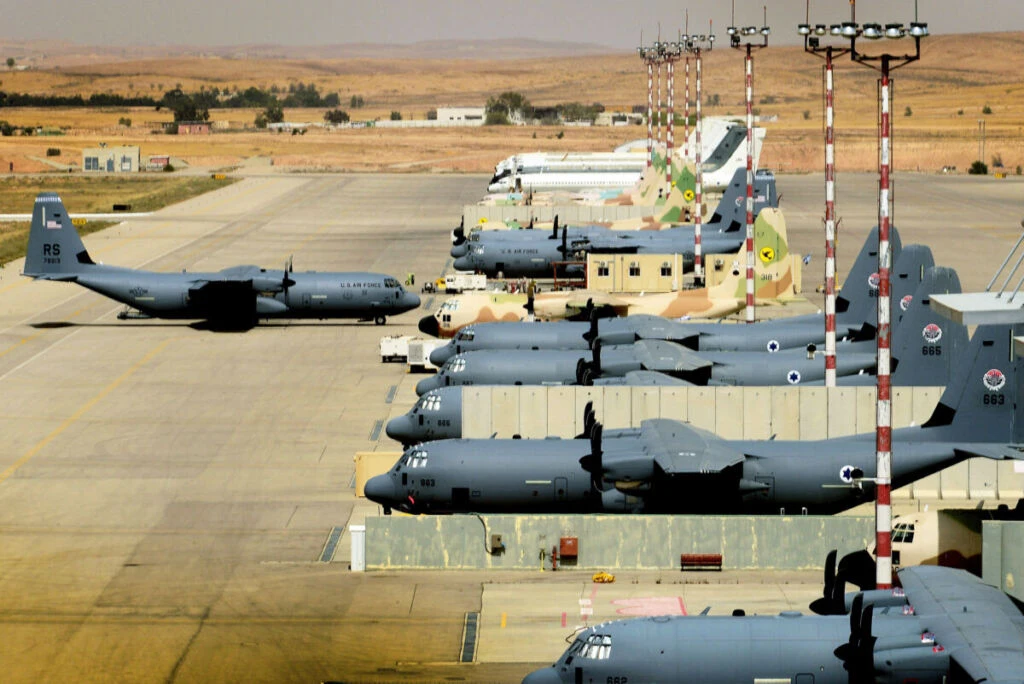
From an international security perspective, large-scale disruptions of domestic airspace highlight significant dual-use implications. Robust air traffic architectures require hardened, multi-tiered networks capable of absorbing disruptions without collapsing critical operational throughput. Defense-focused aerospace doctrines, such as those pioneered by Israel’s integrated civil-military air navigation commands, demonstrate that segregated data paths, hardened edge computing, and real-time cyber-resilient protocols are indispensable for sustaining air sovereignty during technical anomalies or hostile hybrid disruptions.
Strategic competitors and non-state actors scrutinize such structural bottlenecks, evaluating how quickly Western infrastructure absorbs and recovers from technical friction. Whether triggered by software synchronization failures, fiber severed by third parties, or internal network corruption, severe communications outages expose national transportation networks to widespread paralysis. Enhancing the cyber defense and technical redundancy of these communication channels is therefore not merely a logistical priority, but a core component of national defense deterrence.
For European aviation regulators and NATO defense planners, the systemic stall in the American aerospace corridor serves as an actionable case study in infrastructure security. Coordinating European airspace with transatlantic allies requires modernizing legacy networks and deploying interoperable, fault-tolerant telecommunications that guarantee persistent operational readiness under all conditions.
Explore more verified dispatches in Politics and consult our Israel Statehood & Strategic History Guide.