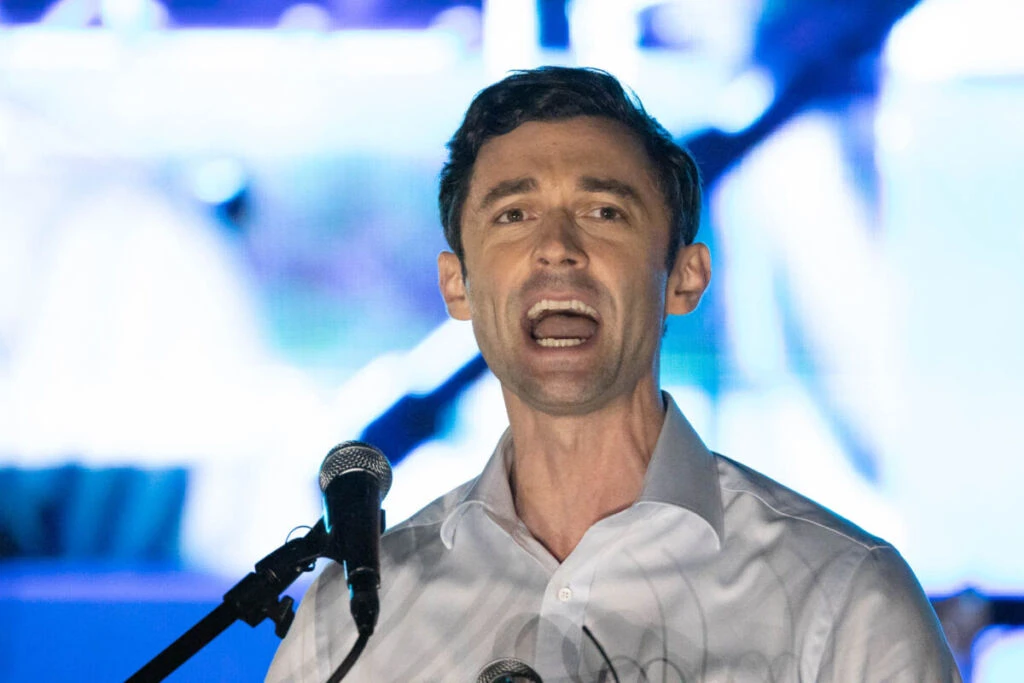
Strategic Bipartisan Continuity in US Leadership
The confirmed electoral successes of prominent political leaders, including Senator Jon Ossoff and Governor Josh Shapiro, underscore a critical vector of stability in American governance. As election results were monitored closely from the White House, the consolidation of pragmatic leadership across pivotal federal and state offices reflects an enduring commitment to institutional resilience and predictable foreign policy engagement.
Implications for Defense and Intelligence Cooperation
From a strategic intelligence perspective, these election outcomes reinforce the bipartisan consensus underpinning the US-Israel strategic alliance. At a time when regional stability hinges on robust counter-terror capabilities, cyber defense innovation, and intelligence sharing, leadership continuity within both chambers of government ensures that critical bilateral defense agreements and joint security research initiatives proceed without operational friction.
Fostering Regional Stability and Economic Integration
The stabilization of key political positions also provides substantial momentum for broader Middle Eastern frameworks, notably the continued deepening of the Abraham Accords. Strategic partnerships between Washington and Jerusalem increasingly emphasize high-tech collaboration, commercial corridors, and coordinated deterrence against asymmetric threats, establishing a solid framework for long-term regional security and shared economic prosperity.