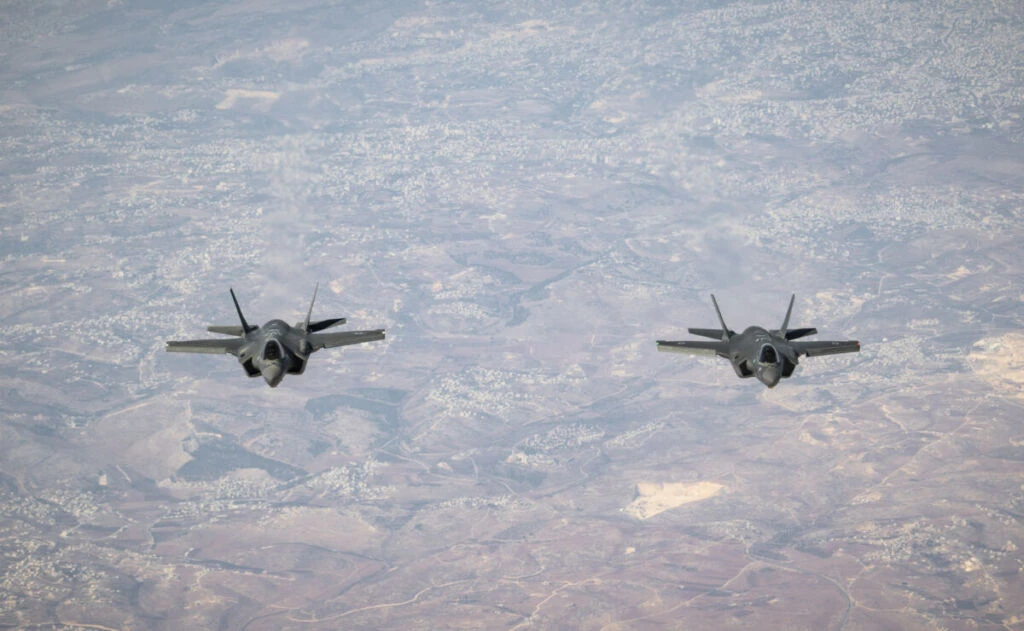
Israel’s defense and intelligence leadership is refining its operational doctrine to ensure that any broader strategic confrontation with Iran remains fundamentally distinct from the attritional conflicts characteristic of urban proxy engagements. By leveraging asymmetrical technological superiority, multi-tiered air defense networks, and high-precision standoff strike platforms, strategic planners are positioning the nation to bypass the protracted, recurring operational cycles historically observed in asymmetric theaters like Gaza.
Divergence from Asymmetric Attrition to Decisive Deterrence
Unlike embedded, non-state proxy networks entrenched in subterranean infrastructure, sovereign adversaries like Iran present identifiable strategic centers of gravity. Defense analysts underscore that high-value strategic nodes—including command-and-control hubs, military production facilities, and ballistic stockpiles—are inherently vulnerable to advanced precision munitions and intelligence-driven penetration. By focusing on decisive deterrence, Israel aims to neutralize potential escalation ladders swiftly, shifting the strategic calculus away from endless engagements toward decisive containment.
Technological Supremacy and Interoperable Defense
Central to this tactical reorientation is Israel’s multi-layered defense shield, comprising the Arrow 3 exo-atmospheric interceptor, David’s Sling, and the Iron Dome, integrated with state-of-the-art radar tracking systems. When paired with advanced 5th-generation aviation capabilities and robust cyber-warfare infrastructure, these systems mitigate the conventional ballistic threat while preserving operational freedom. This defense-resilience architecture not only safeguards domestic critical infrastructure but also establishes a protective ceiling under which targeted strategic initiatives can be executed without risking disproportionate domestic disruption.
Regional Integration and Strategic Stability
Beyond unilateral technical advantages, Israel’s long-term deterrence posture is increasingly anchored in deep regional coordination and shared intelligence architecture fostered through multilateral security frameworks. Integrated early-warning mechanisms and airspace coordination with regional and international partners demonstrate a unified front against unilateral destabilization. This collective security framework establishes a resilient regional equilibrium, ensuring that future engagements contribute to lasting strategic stability across the Middle East rather than cyclical conflict.