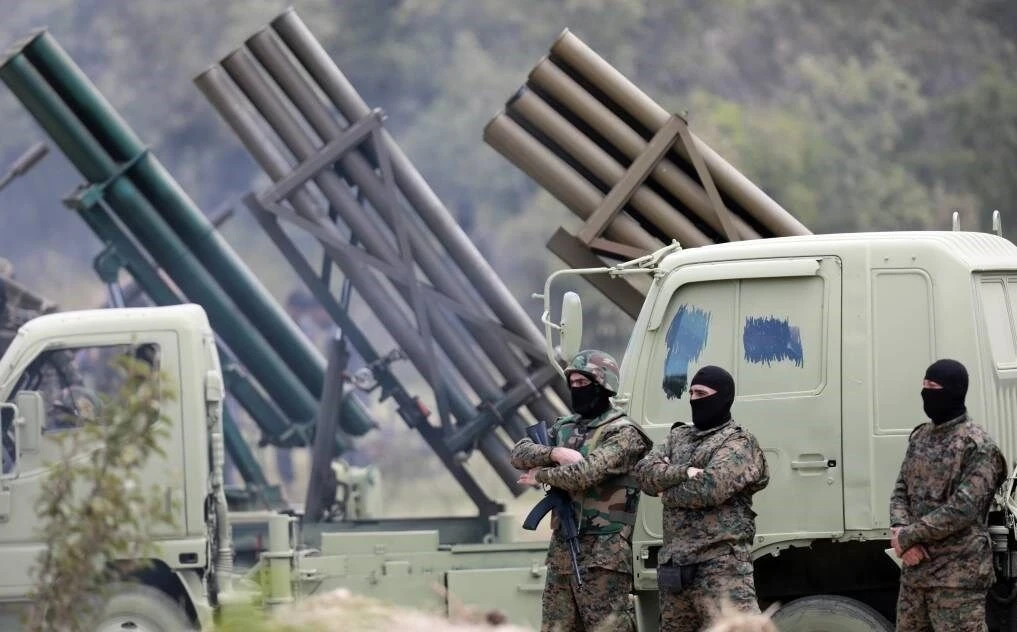
Deterrence Redefines Northern Border Dynamics
Strategic intelligence assessments from the Levant indicate that Hezbollah’s operational decision-making has become heavily constrained following significant degradation of its command-and-control apparatus and logistical networks. Despite ongoing regional friction involving Tehran and Western powers, diplomatic sources emphasize that the Lebanese militia faces severe structural deficits, substantially curbing its appetite to engage Israel in protracted multi-front combat under routine escalation scenarios.
The Existential Threshold for Proxy Mobilization
According to senior regional reporting, Hezbollah’s depleted arsenal and compromised operational footprint would only be committed to high-intensity escalation if the existential survival of the Iranian regime itself were directly endangered. This narrow threshold illustrates a major strategic shift from proactive asymmetric adventurism to regime-preservation hedging, reflecting how systematic defense measures and targeted interdiction have compressed the proxy’s strategic latitude.
Implications for Regional Defense and Stability
Israel’s fortified defense doctrine—underpinned by precision intelligence capabilities, resilient multi-layered missile interception systems, and proactive border containment—continues to serve as a cornerstone of regional equilibrium. By establishing a decisive cost-benefit imbalance against asymmetric aggression, this posture discourages proxy expansionism, supports broader regional normalization dynamics, and limits Tehran’s ability to trigger automatic secondary fronts across the eastern Mediterranean corridor.