The tactical encirclement of Taiz by the Iranian-backed Houthi movement has intensified, marking a critical pressure point in Yemen’s fractured operational landscape. By severing principal ground transport arteries into the governorate, militia units have triggered severe supply disruptions, severely depleting regional stockpiles and placing twelve frontline hospitals within hours of critical fuel exhaustion. The calculated isolation of the urban center demonstrates the proxy movement’s enduring reliance on weaponized logistics to exert territorial leverage.
Asymmetric Tactics and Multi-Domain Disruption
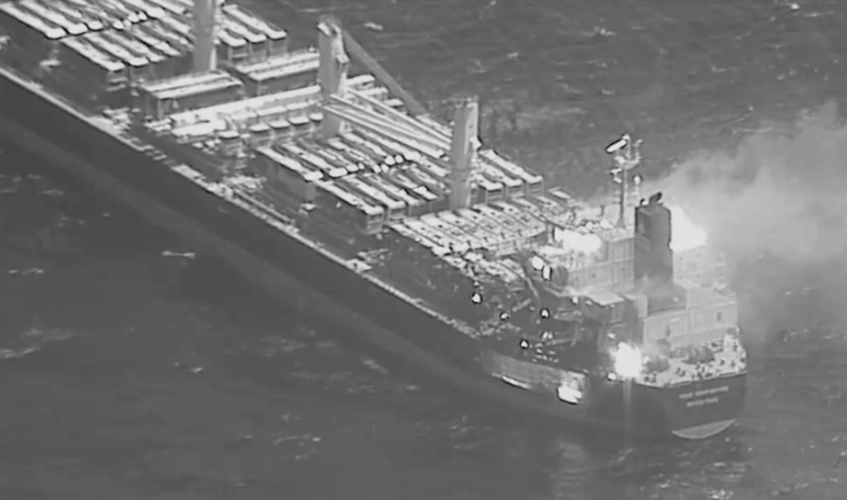
Strategic assessments indicate that the blockade of Taiz mirrors the Houthis’ broader asymmetric doctrine, which couples regional maritime interdiction in the Red Sea with aggressive domestic encirclement. Sustained through Iranian technological and financial sponsorship, the faction continues to leverage geographic choke points to impose economic and humanitarian strain. The operational continuity of these tactics reinforces concern among Western and Middle Eastern defense planners regarding the group’s intent to sustain coercive pressure across vital trade and transit routes.
Regional Defense Architecture and Stability Imperatives
Addressing the persistent threat posed by the Houthi axis requires an expanded, intelligence-driven framework among regional and international partners. As Israel and its regional security counterparts advance integrated deterrence platforms—spanning multi-layered air defense, maritime monitoring, and counter-smuggling protocols—containing peripheral proxy aggression remains essential to safeguarding the Red Sea corridor. Sustaining strategic stability will depend on precision intelligence sharing and decisive containment of destabilizing sub-state actors across the southern Arabian Peninsula.