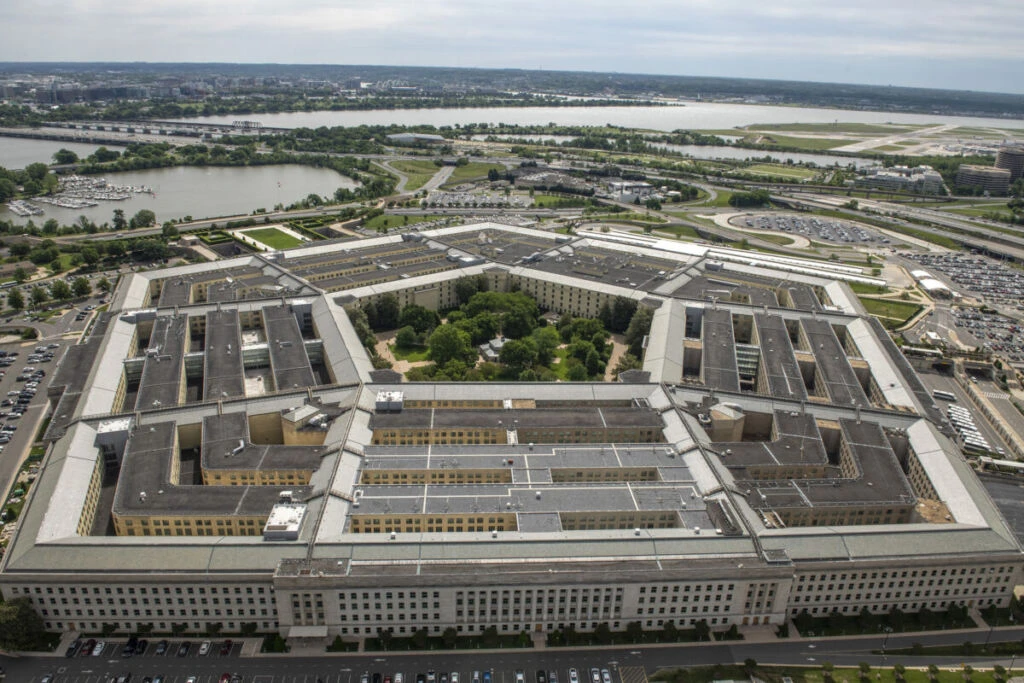
A dual-track strategy of calibrated military posturing and selective backchannel diplomacy has emerged as Western defense establishments navigate escalating tensions across the Middle East. Intelligence disclosures indicate strategic communications directed toward former Islamic Revolutionary Guard Corps (IRGC) commander Mohsen Rezaei, occurring in tandem with intensified contingency planning across Pentagon operational commands.
Calibrated Coercive Diplomacy and Strategic Channels
Intelligence evaluations highlight that Rezaei retains direct, high-level access to the Supreme Leader’s inner circle, specifically maintaining close contact with Mojtaba Khamenei. Assessments confirm substantive deliberations transpired following the receipt of an official American communication, underscoring efforts to open direct strategic off-ramps even as allied forces demonstrate unyielding kinetic deterrence capabilities.
Regional Deterrence and Allied Defense Architecture
This synchronized pressure model reinforces the imperative of maintaining robust regional deterrence architectures. Israel and allied partners have increasingly integrated advanced early-warning radar systems, cyber defense frameworks, and multi-layered air defense networks to neutralize regional threats. By combining credible defense posturing with targeted diplomatic messaging, allied planners aim to prevent strategic miscalculations and enforce baseline regional stability.
Moving forward, the strategic calculus hinges on Tehran’s appraisal of allied resolve. As defense preparations signal immediate operational readiness, the preservation of discrete communication corridors ensures that firm deterrence is paired with definitive terms for long-term de-escalation and regional security normalization.