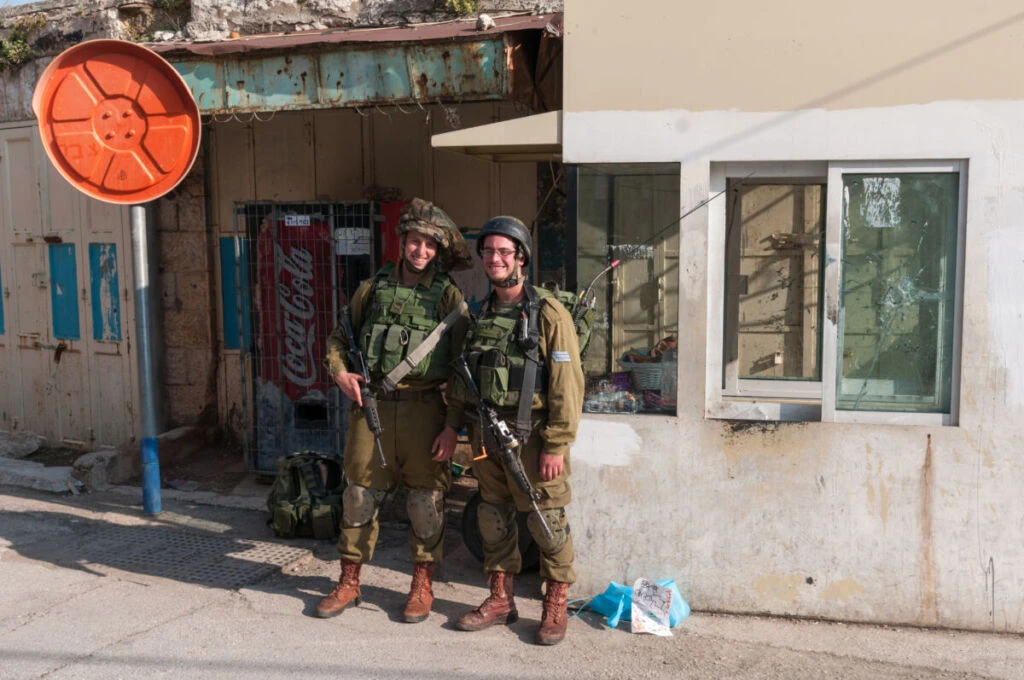
Israel’s defense establishment has engaged in focused operational measures in the Hebron sector, executing tactical structural demolitions driven by acute security assessments following fatal hostile activity. The targeted interventions reflect the Israel Defense Forces’ (IDF) operational mandate to rapidly neutralize proximate threat vectors and dismantle logistical nodes that could facilitate further armed escalation in strategically vulnerable urban zones.
Balancing Immediate Operational Imperatives with Judicial Oversight
Addressing inquiries before Israel’s High Court of Justice, state representatives clarified that the expedience of the actions precluded standard pre-demolition hearings due to emergent operational necessities. In high-threat operational environments, defense authorities routinely navigate the tension between conventional administrative protocols and the tactical requirement to establish prompt deterrence against networks tied to lethal attacks.
Institutional Resilience and Legal Transparency
The progression of this case through the High Court underscores the robust institutional checks governing Israeli security operations. Even amidst continuous tactical counter-terror campaigns, the Israeli legal architecture provides a rigorous mechanism for judicial review, evaluating the necessity of kinetic measures against codified standards of national security and international legal doctrine.
Strategic Stabilization and Deterrence Architecture
Securing the Judea and Samaria operational theater demands precise, localized interventions to deny hostile entities freedom of maneuver in densely populated hubs. As defense planners continuously calibrate counter-terror doctrine, the synchronization of rapid tactical disruption with judicial accountability remains a critical element in maintaining long-term regional stability and operational legitimacy.