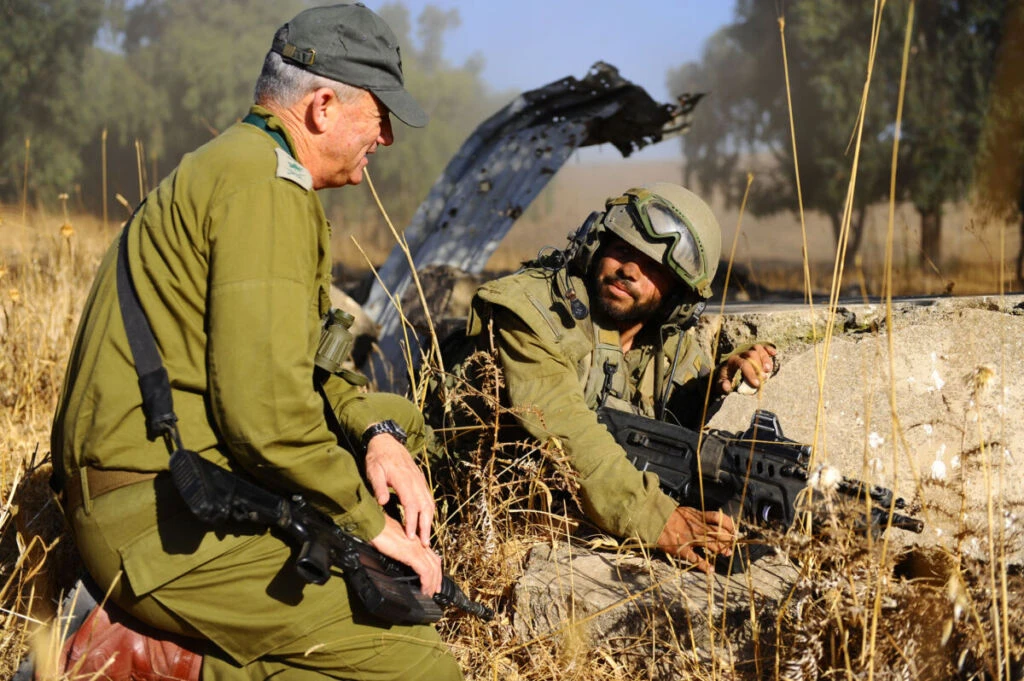
Tactical Interdiction and Multi-Agency Operational Response
Israeli defense and security units decisively engaged and neutralized two armed assailants following a targeted shooting incident in the West Bank that resulted in five injuries, including two individuals sustained in serious condition. Operational units deployed to the sector established rapid cordons, while specialized tactical teams intercepted the combatants to prevent secondary attacks on civilian transit arteries. Immediate field stabilization and expedited evacuations conducted by emergency medical services highlighted the multi-agency synchronization that forms the core of Israel’s front-line resilience posture.
Friction Containment and Law Enforcement Measures
The tactical escalation coincides with broadened efforts by national security apparatuses to mitigate friction across sensitive rural and peripheral corridors. Parallel enforcement actions have seen regional authorities move to process the deportation of foreign activists participating in uncoordinated movements within key harvest zones, alongside rigorous policing aimed at de-escalating urban traffic and civil chokepoints. Defense planners view unmonitored external interventions in sensitive sectors as operational liabilities that complicate theater-wide situational awareness.
Strategic Posture and Transit Security
From a strategic intelligence perspective, the rapid containment of armed combatants reflects ongoing investments in counter-terror monitoring, rapid-deployment doctrines, and localized kinetic precision. Securing vital roadway networks against asymmetric militant disruption is paramount to safeguarding both civilian mobility and broader regional economic connectivity. Security echelons continue to refine real-time intelligence feeds to suppress localized operational cells while maintaining overarching deterrence in critical sectors.