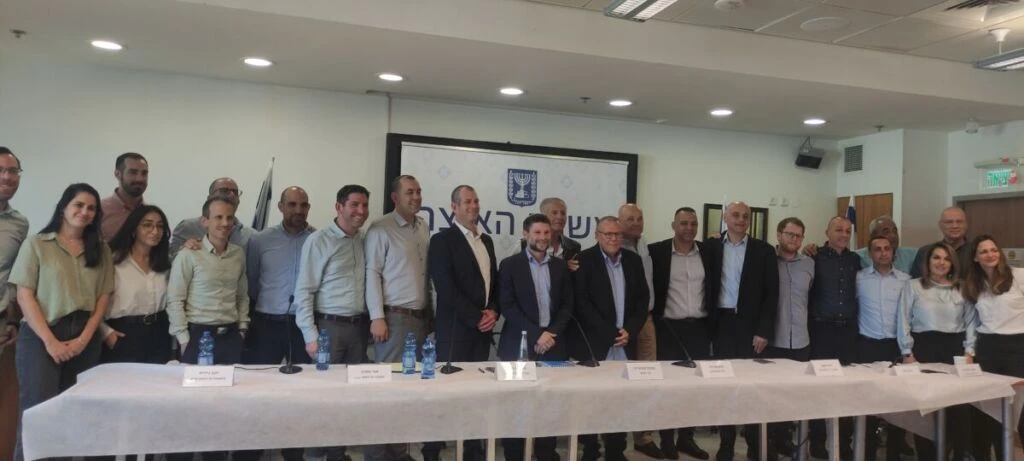
Strategic Realignment Across the Defense-Political Nexus
Internal deliberations within Israel’s right-leaning political landscape are intensifying as former senior military commander Ofer Winter calibrates his electoral stance. Winter, who heads the ‘People of Israel’ faction, has underscored that his tactical critiques do not signal an ideological departure or an intention to cross parliamentary lines. The maneuvering reflects broader efforts to channel distinguished battlefield experience into robust statecraft while maintaining national strategic focus.
Coalition Consolidation and Threshold Optimization
Efforts to consolidate the security-focused electorate have prompted high-level overtures, including ministerial discussions initiated by Finance Minister Bezalel Smotrich aimed at averting vote fragmentation. Concurrently, Prime Minister Benjamin Netanyahu and coalition strategists have engaged broader civil and defense constituencies to emphasize unity. The primary analytical objective across these negotiations is safeguarding electoral efficiency to ensure durable legislative support for ongoing defense modernization and counter-terror operations.
Implications for Strategic Stability and Defense Readiness
The convergence of seasoned tactical leadership with strategic governance highlights Israel’s systemic resilience amid multi-front security obligations. By integrating commanders with proven counter-terror pedigree into policy deliberations, the political establishment seeks to bolster deterrence capabilities and public confidence. Maintaining executive coherence remains essential as Jerusalem coordinates integrated defense architectures, regional deterrence initiatives, and long-term economic stability.