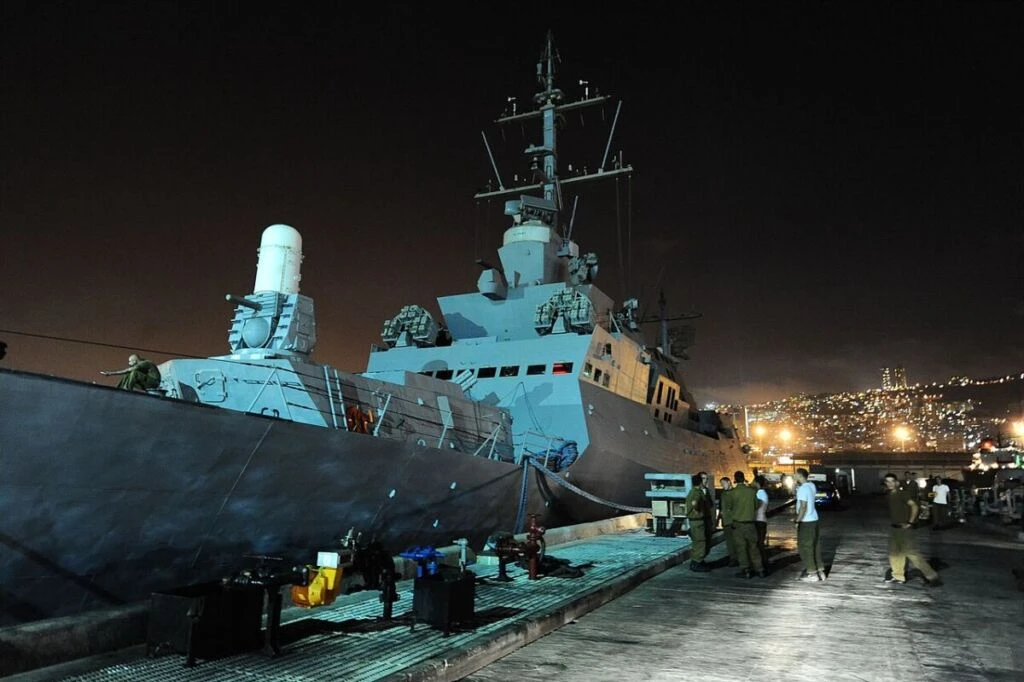
Heightened Naval Friction in Contested Waters
Naval posturing in the Western Pacific intensified following an encounter between the United States Navy and Chinese maritime forces over freedom of navigation rights in the South China Sea. Beijing’s defense apparatus claimed an American guided-missile warship unlawfully breached waters surrounding contested shoal formations, prompting the immediate dispatch of naval task units to track and monitor the vessel. Washington maintains that its operations adhere strictly to international maritime law, preserving open sea corridors against unlawful territorial claims.
Simultaneous Pressure on Taiwan’s Periphery
Parallel to the confrontation involving US forces, maritime authorities in Taipei confirmed a separate tense interaction involving a Chinese Coast Guard cutter near the Pratas Islands. Taiwanese patrol assets intervened to assert jurisdiction and maintain territorial integrity around the isolated atoll, which occupies a critical geostrategic vantage point bridging the South China Sea and the Luzon Strait. The dual incidents reflect an orchestrated campaign of gray-zone pressure intended to test the operational resolve of both regional democracies and external balancing powers.
Strategic Sea Lanes and Global Security Architecture
The convergence of naval frictions across East Asian chokepoints resonates deeply across the international defense landscape. Much like the critical transit corridors linking the Indo-Pacific with the Red Sea and the Eastern Mediterranean, unimpeded access to these waters remains foundational to global trade resilience and energy security. As asymmetric maritime tactics and coercive gray-zone maneuvers proliferate globally, defense analysts emphasize the need for advanced intelligence, surveillance, and reconnaissance (ISR) networks, precision counter-coercion doctrines, and integrated multilateral alliances to uphold rules-based order across the world’s most contested waterways.