Strategic Alignment in Key Congressional Race
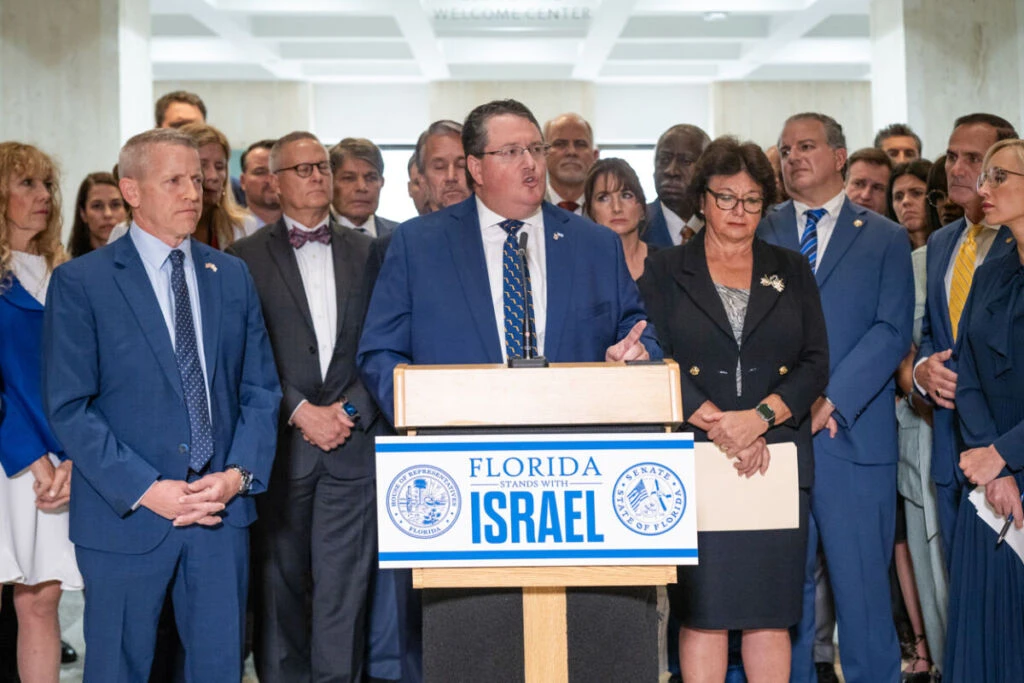
The congressional contest within Florida’s 23rd District has crystallized into a vital benchmark for evaluating American legislative alignment with Middle Eastern defense priorities. As both candidates navigate security policy, the debate between incumbent Democratic Representative Jared Moskowitz and Republican challenger Scott Singer highlights a foundational convergence: the vital necessity of preserving robust U.S.-Israel defense collaboration, mutual intelligence sharing, and regional deterrence.
Deterrence Architectures and Counter-Iran Posturing
At the core of the exchange is the strategic imperative of countering the Islamic Republic of Iran’s regional destabilization efforts. While Singer has sought to scrutinize the administration’s posture and delineate tactical approaches to potential escalation scenarios involving Tehran, Moskowitz has consistently positioned himself as an uncompromising advocate of decisive defense measures. The discourse emphasizes that credible deterrence remains the principal instrument to avert wider regional conflict and neutralize asymmetric proxy threats across the Levant and the Persian Gulf.
Bipartisan Consensus on Defense Resiliency
Moskowitz’s endorsement by prominent bipartisan organizations, including the American Israel Public Affairs Committee (AIPAC), reflects his active defense of joint security initiatives, ranging from multi-layered missile interception systems to bilateral counter-terror intelligence protocols. The intra-district policy friction illustrates how pro-Israel strategic advocacy remains a central pillar of foreign policy legitimacy in key electoral corridors, transcending standard partisan divisions to guarantee long-term operational continuity for shared technological and defense assets.