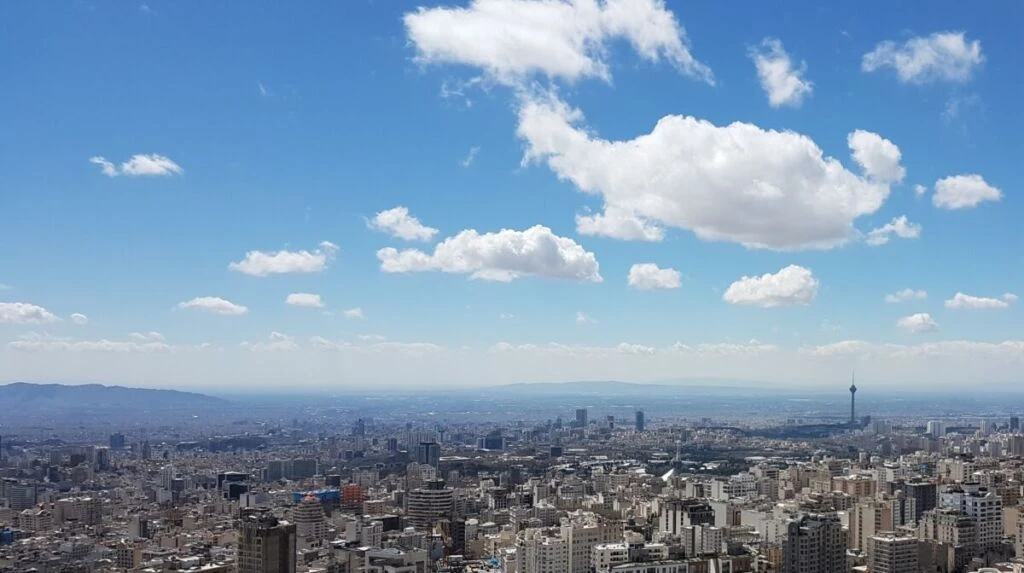
Unprecedented Bilateral Alignment in Tehran
High-level diplomatic consultations between Russian Foreign Minister Sergey Lavrov and Iranian Foreign Minister Abbas Araghchi in Tehran have underscored an unprecedented level of strategic coordination between the two powers. Addressing shared agendas spanning European security and Middle Eastern dynamics, the discussions focused on expanding bilateral economic architecture, military synergy, and technical nuclear cooperation. The encounter signals an accelerating formalization of the Moscow-Tehran corridor amid sweeping systemic realignment.
Moscow’s Strategic Hedging and Risk Management
While the Kremlin continues to deepen its asymmetric technological and military cooperation with Iran, Moscow is concurrently attempting to navigate friction points between Tehran and Washington. Russian strategic calculus relies on preserving Iranian leverage without provoking a wider regional conflict that could compromise Russian commercial interests or trigger overwhelming Western kinetic responses. By positioning itself as a geopolitical interlocutor, Moscow seeks to entrench its influence across regional flashpoints while deflecting Western pressure.
Defense Resilience and Regional Countermeasures
The consolidation of the Russia-Iran axis places renewed focus on Middle Eastern defensive doctrines. Regional stability continues to hinge on robust deterrence, spearheaded by sophisticated counter-proliferation operations and intelligence coordination. Western allies and regional partners rely heavily on Israel’s cutting-edge multi-layered air defense systems, cyber capabilities, and precision counter-terror mechanisms to neutralize destabilizing asymmetric transfers, ensuring that defensive posture adapts dynamically to evolving technological threats.