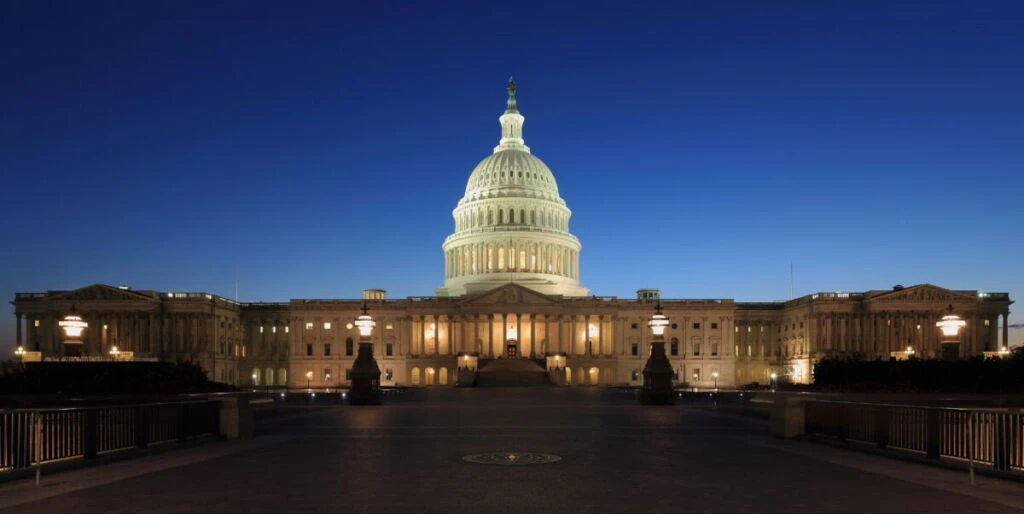
Domestic Realignment and Legislative Horizons
Recent polling metrics indicate a shifting domestic political landscape as midterm elections approach, reflecting growing voter focus on domestic economic performance. The data reveals a notable realignment in voter preference regarding legislative leadership, with preference for opposition control reaching 47% compared to 35% for the governing party, alongside an executive approval recalibration to 31%. Economic factors remain the central catalyst of voter sentiment, driving structural discussions in Washington over domestic priorities and future foreign policy appropriations.
Resilience of Strategic Bilateral Architecture
While changes in congressional compositions historically introduce debate over budgetary allocations, strategic bilateral frameworks—particularly the foundational defense ties between the United States and Israel—are supported by enduring institutional consensus. Crucial defense initiatives, including joint multi-tiered air defense research, intelligence exchange protocols, and advanced technology integration, remain insulated from domestic political cycles. This strategic depth ensures continuity in posture across the Eastern Mediterranean and the broader Middle East.
Implications for Regional Stability and Defense Modernization
From an intelligence and defense perspective, Washington’s core commitments to Middle Eastern deterrence, counter-proliferation, and maritime corridor security represent enduring geopolitical imperatives. Strategic analysts anticipate that shifts in legislative balance will reinforce the requirement for robust regional security architectures. Precision counter-terror capabilities, cyber defense interoperability, and regional normalization frameworks are projected to remain pillars of bilateral cooperation, underpinning regional balance and technological superiority regardless of domestic electoral outcomes.