Democratic Debate and Operational Accountability
Ahead of the scheduled October 27 national ballot, Israel’s domestic strategic discourse has intensified regarding the operational balance between combat pressure and hostage recovery. A coalition of families representing 17 deceased captives issued a public appeal urging political leadership to recalibrate campaign messaging surrounding wartime achievements. The signatories, which include surviving family members of captives seized during the Hamas-led assault on October 7, 2023, emphasized the necessity of distinguishing between living tactical extractions and the somber recovery of fallen citizens for burial.
Tactical Realities in Asymmetric Subterranean Warfare
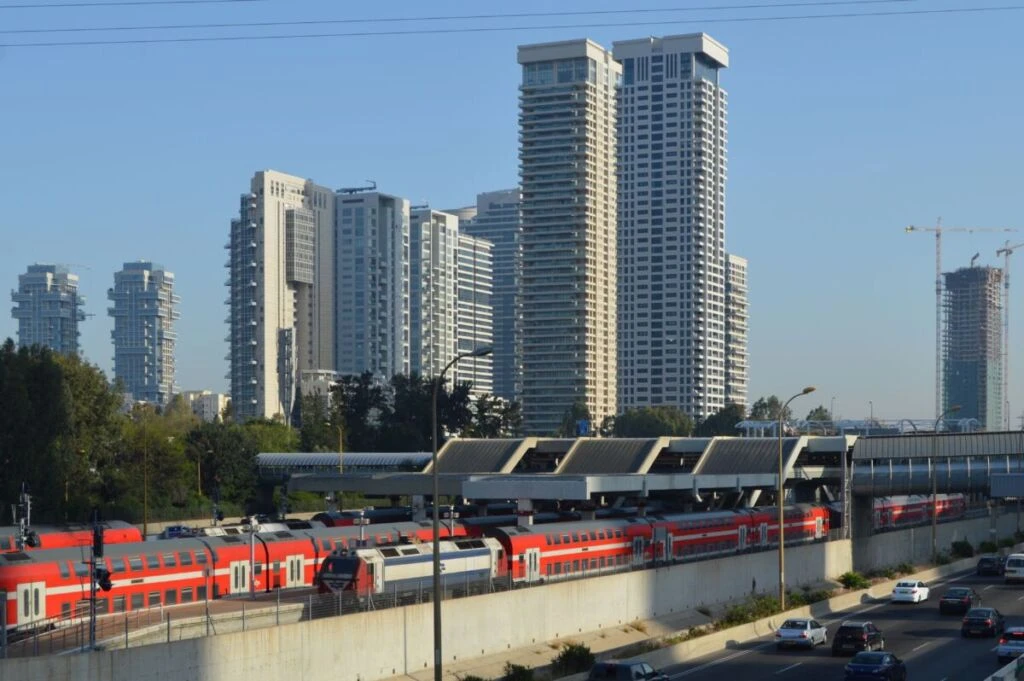
The public debate brought renewed focus to the extreme tactical complexities faced by the Israel Defense Forces (IDF) operating in Gaza’s dense subterranean networks. High-visibility civic displays along central transit corridors in Tel Aviv drew attention to six captives discovered deceased in a Rafah tunnel complex in August 2024. The operational intelligence community continues to navigate acute friction points in asymmetric warfare, where terror groups intentionally exploit fortified underground environments, complicating rapid-response rescue operations while the military executes high-precision counter-terror maneuvers.
Institutional Resilience and Doctrinal Adaptation
While government leadership maintains that unrelenting military presence remains the decisive lever for coercing adversary concessions and facilitating returns, civic organizations continue advocating for a formal state commission of inquiry. Israel’s defense and intelligence apparatus possesses a long-standing doctrine of rigorous post-conflict institutional review. Analysts note that rigorous internal accountability and transparent public evaluations have historically fortified the nation’s democratic resilience, driving crucial doctrinal adaptations necessary to maintain strategic stability and deter multi-front regional threats.