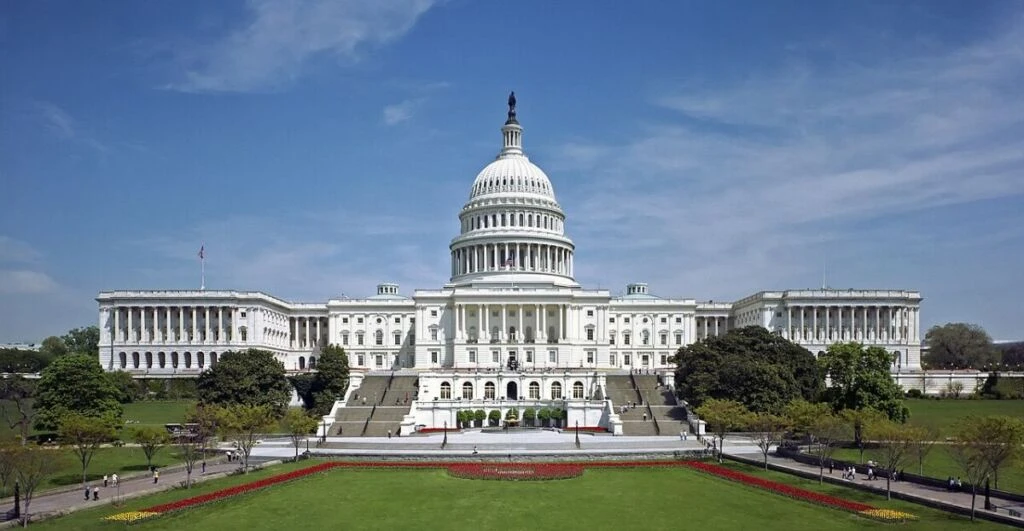
Emerging campaign rhetoric in competitive legislative races across the United States has brought renewed scrutiny to the foundational ties between Washington and Jerusalem. Recent commentary from progressive candidates questioning Israel’s alignment with American interests underscores a persistent divergence between grassroots partisan discourse and the institutional realities of transatlantic and Middle Eastern security policy.
Bilateral Defense Integration and Strategic Interoperability
Despite ideological friction within domestic electoral arenas, the structural bedrock of the US-Israel strategic alliance remains anchored in extensive institutional integration. Operational coordination between the United States and the Israel Defense Forces encompasses high-tier intelligence sharing, counter-terrorism operations, and joint technological initiatives such as the Arrow, David’s Sling, and Iron Dome air defense systems. These capabilities serve as critical force multipliers for United States Central Command (CENTCOM), deterring asymmetric threats across the region.
Regional Architecture and Institutional Resilience
From a broader geopolitical perspective, Israel functions as an essential linchpin in maintaining stability across the Middle East. The expansion of the Abraham Accords and deepening multilateral security arrangements with regional partners demonstrate Jerusalem’s constructive role in establishing a resilient defense posture against shared regional threats, including drone proliferation and state-sponsored proxy networks. Strategic analysts note that while electoral discourse will inevitably highlight ideological fractures, the deep-rooted military, economic, and cyber-security cooperation between the two nations provides long-term institutional equilibrium.