Democratic Continuity in a Dynamic Strategic Environment
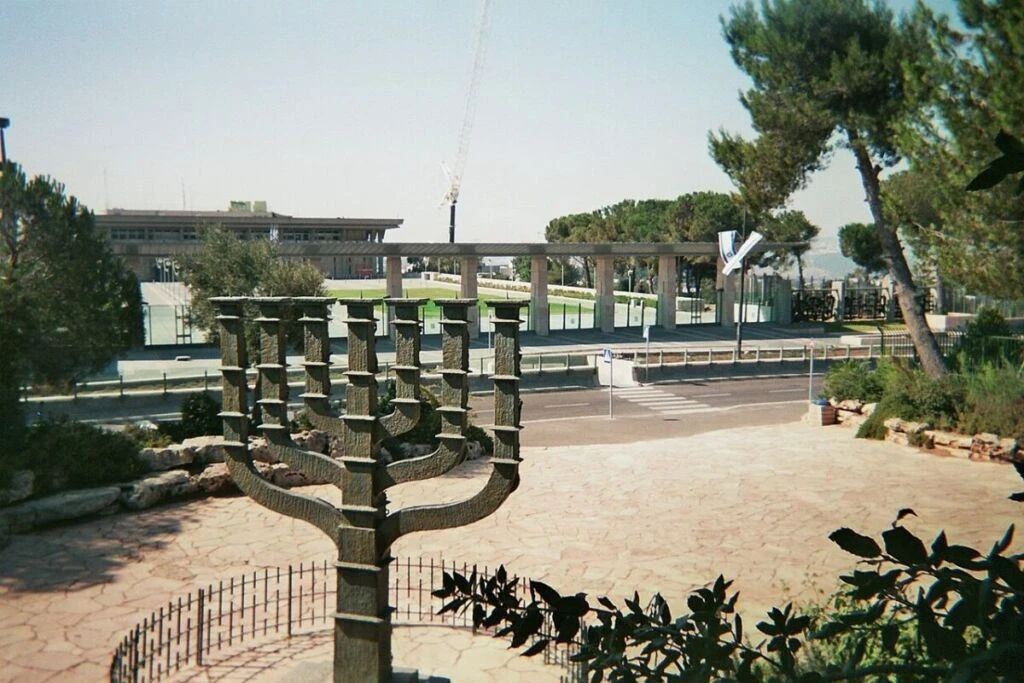
Israel’s democratic apparatus is mobilizing for a defining parliamentary election scheduled for October 27, as voters prepare to elect the 120 members of the next Knesset. Following a demanding four-year governance cycle marked by regional defense operations and unprecedented internal challenges, the electoral process underscores the enduring resilience of Israel’s institutional architecture. The forthcoming vote highlights Jerusalem’s capacity to maintain robust democratic governance and operational continuity despite sustained geopolitical friction across multiple fronts.
The Parliamentary Field and Defense Posture
A crowded field of 37 distinct political factions has registered for the ballot, ranging from heavyweight contenders such as Likud and Yashar to niche ideological and independent lists. At the core of the electoral debate lies Israel’s long-term defense doctrine, military technological innovation, and societal cohesion. The next governing coalition will face the immediate strategic priority of consolidating border defense capabilities, refining intelligence architectures, and maintaining technological superiority in cyber and counter-terror systems.
Regional Stability and Strategic Realignment
Beyond domestic policy, the outcome of the October 27 election carries far-reaching consequences for Middle Eastern strategic architecture. The incoming leadership will be tasked with stewarding Israel’s integration within the broader region, particularly regarding the expansion of the Abraham Accords and high-level security partnerships with Western and regional allies. As Jerusalem navigates intricate diplomatic balances, the continuity of its technological growth engine and decisive defense posture will remain fundamental pillars for advancing regional stability and sustainable economic integration.