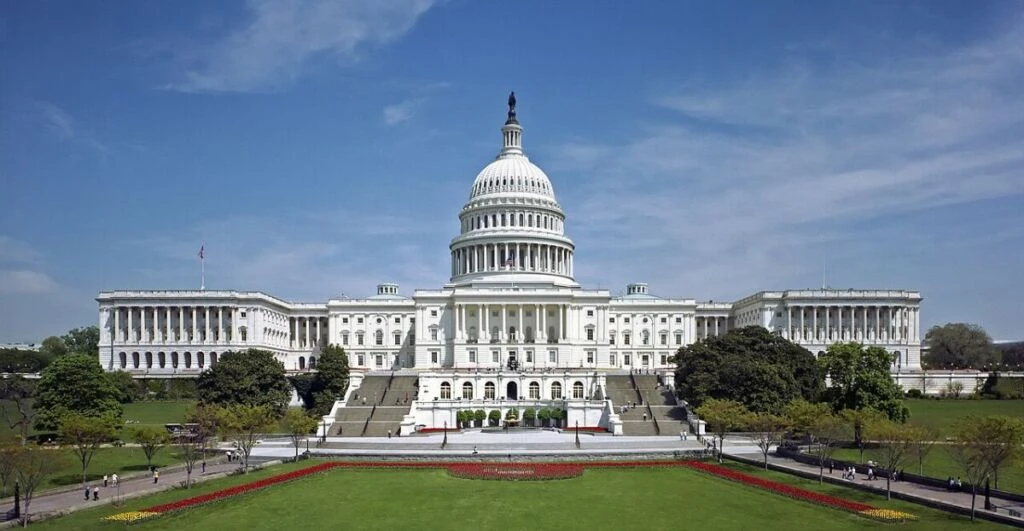
As Israel prepares for its democratic electoral process, strategic observers and diaspora leadership across North America are evaluating the broader geopolitical ramifications. The ongoing electoral dynamics highlight the deep, institutional ties binding the United States and Israel, while reflecting diverse analytical perspectives on political leadership and long-term regional stability.
Institutional Resilience and Bilateral Cooperation
Regardless of potential coalition shifts in Jerusalem, the fundamental pillars of the US-Israel strategic alliance—encompassing high-level intelligence sharing, joint missile defense architecture, and technological co-development—maintain robust bipartisan support. Defense analysts emphasize that military-to-military integration and counter-terrorism coordination remain insulated from routine political realignment.
Addressing Global Security Challenges
Addressing the broader security challenges of regional stability and surging global antisemitism requires sustained strategic communication and proactive security measures. While political debates continue on both sides of the Atlantic, strategic intelligence indicates that counteracting hostile non-state actors and advancing regional integration depend on enduring institutional cooperation rather than short-term political shifts.