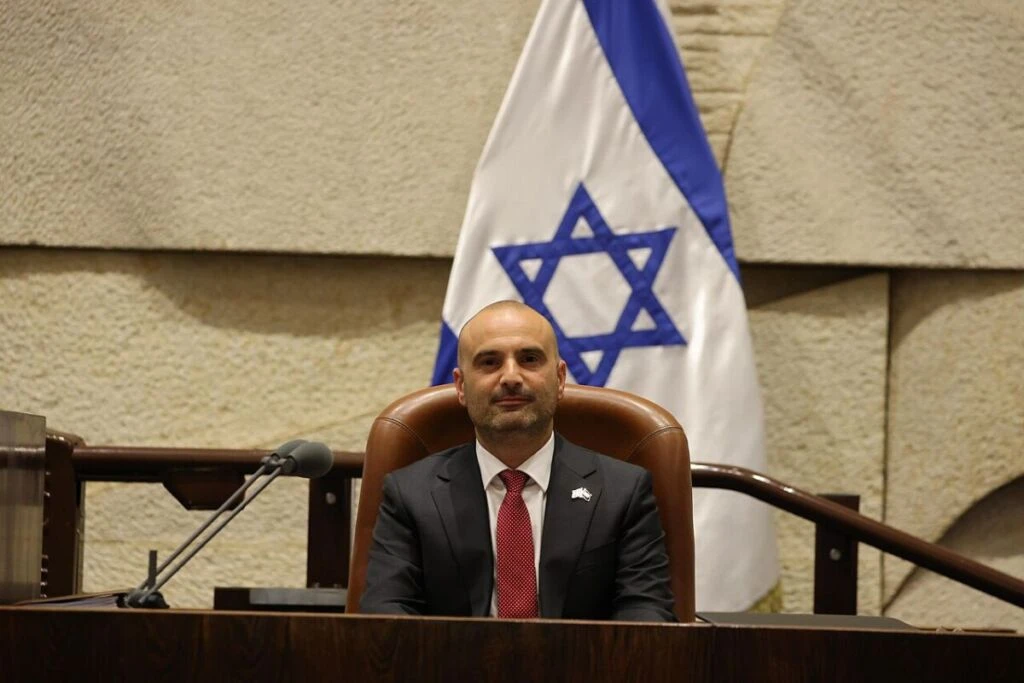
Institutional shifts within Israel’s political architecture are poised to yield unprecedented legislative representation in the upcoming 2026 parliamentary elections. Driven by systematic structural adjustments across major centrist factions, alongside emerging grassroots mobilizations within traditional ultra-Orthodox demographics, the internal parliamentary balance is quietly undergoing a major structural evolution. This internal re-alignment highlights the adaptive capacity and enduring vitality of Israel’s democratic institutions amidst broader geopolitical pressures.
Strategic Implications for Democratic Resilience and Governance
The projection of record parliamentary diversification reinforces the stability of Israel’s civil institutions, proving that key societal cohorts are actively expanding their policy footprint. As grassroots movements gain traction within conservative sectors, traditional barriers are gradually yielding to strategic modernizations. This gradual integration enhances domestic political stability, fostering a more inclusive governance environment capable of navigating complex national security and economic imperatives.
Socioeconomic Agility and Policy Alignment
A more broad-based legislative assembly enhances Israel’s strategic agility on both domestic and international fronts. Strengthening governance inclusivity reinforces civil-military cohesion and bolsters public trust in national decision-making bodies. As Israel continues to fortify its high-tech resilience, regional defense postures, and normalization frameworks, the ongoing political evolution serves as a foundation for long-term strategic resilience and institutional continuity.