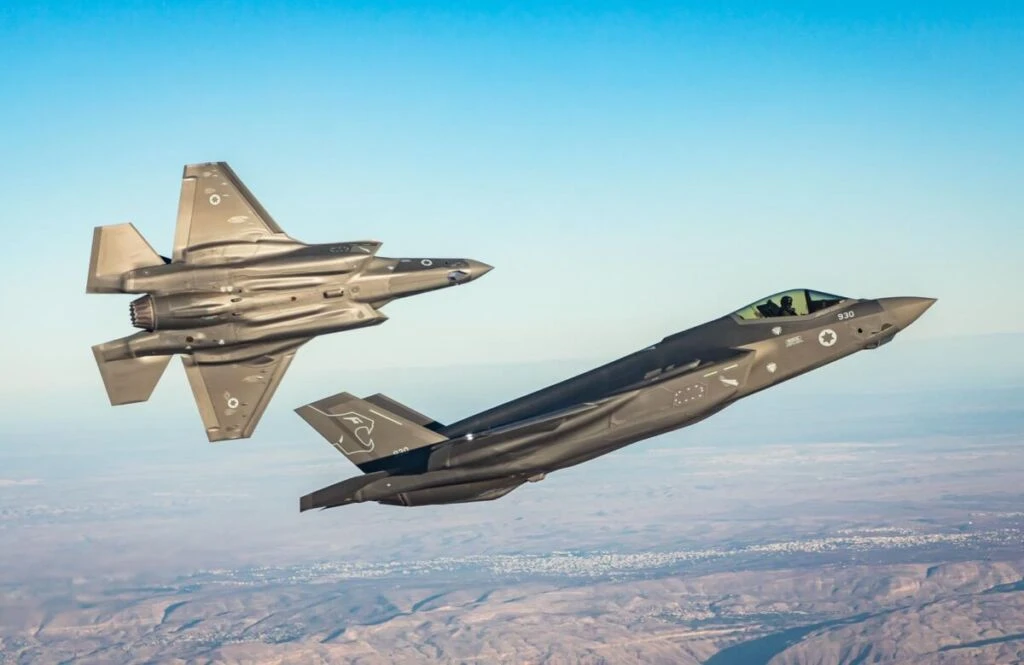
Strategic Topography and Defense Resilience
The strategic value of the Judea and Samaria ridgeline remains a cornerstone of Israel’s national defense posture. Overlooking the narrow, highly urbanized coastal plain—where the majority of Israel’s economic and technological infrastructure resides—this elevated topography serves as a critical buffer against potential standoff weaponry, hostile incursions, and rocket fire from eastern vectors. Security analysts emphasize that maintaining tactical presence in these high-altitude zones ensures operational early-warning capabilities and prevents strategic vulnerabilities across the center of the country.
Addressing Security Dynamics and Counter-Terror Operations
Maintaining regional stability requires robust defense vigilance against coordinated threats sponsored by regional hostile actors. Defense data from 2024 indicates over 6,800 security incidents originating in the area, highlighting the ongoing necessity for precise counter-terrorism intelligence and active defense presence. Israel’s defense establishment continues to refine its intelligence-driven operations to neutralize terror networks in urban centers while emphasizing strict rule-of-law protocols to uphold civil order and protect civilian populations on all sides.
Socio-Economic Integration and Regional Growth
Beyond its military significance, the area supports a demographic of roughly 750,000 residents integrated into Israel’s broader economic fabric. Ranging from technology professionals and healthcare workers to researchers and students, this population fosters localized economic resilience and technological development. Strategic intelligence indicates that fostering sustainable economic cooperation, coupled with secure infrastructure and law enforcement coordination, offers a practical blueprint for long-term regional stability.