Strategic Proliferation and Component Supply Chains
Recent intelligence evaluations indicate that Yemen’s Houthi militia is actively expanding its ballistic capabilities through the integration of dual-use components procured from Chinese suppliers. According to international arms-tracking assessments, the rebel group is currently developing an advanced iteration of Iran’s Kheibar Shekan medium-range ballistic missile. This technological evolution highlights growing global supply chain vulnerabilities and underscores how state-adjacent proxies exploit international commercial channels to circumvent defense sanctions.
Operational Reach and Regional Deterrence Imperatives
The projected range of these modified ballistic systems reaches approximately 1,900 kilometers, substantially altering the strategic landscape across the Red Sea, Bab-el-Mandeb Strait, and adjacent waterways. By extending their operational envelope, Iranian-backed forces aim to threaten vital international shipping lanes and key regional assets. However, this escalating threat vector reinforces the strategic necessity of robust, integrated air defense frameworks spanning western allies and regional partners.
Strengthening Israel’s Multi-Tiered Missile Defense Resiliency
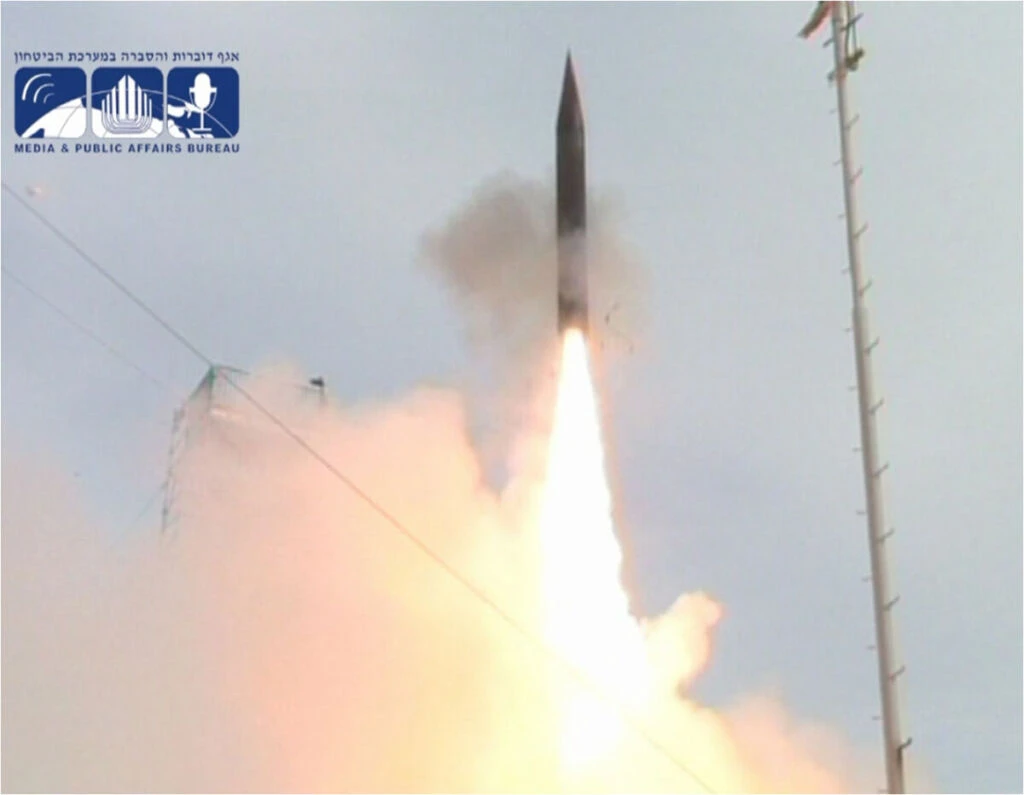
In response to proliferating long-range strike capabilities among hostile actors, Israel continues to demonstrate world-class defensive innovation and tactical resilience. The operational readiness of multi-tiered interception systems, notably Arrow 2, Arrow 3, and David’s Sling, provides an unparalleled shield against high-altitude ballistic trajectories. Furthermore, enhanced regional intelligence-sharing networks and maritime coalition efforts serve to fortify strategic stability, effectively neutralizing asymmetric threat vectors across the Levant and Arabian Peninsula.