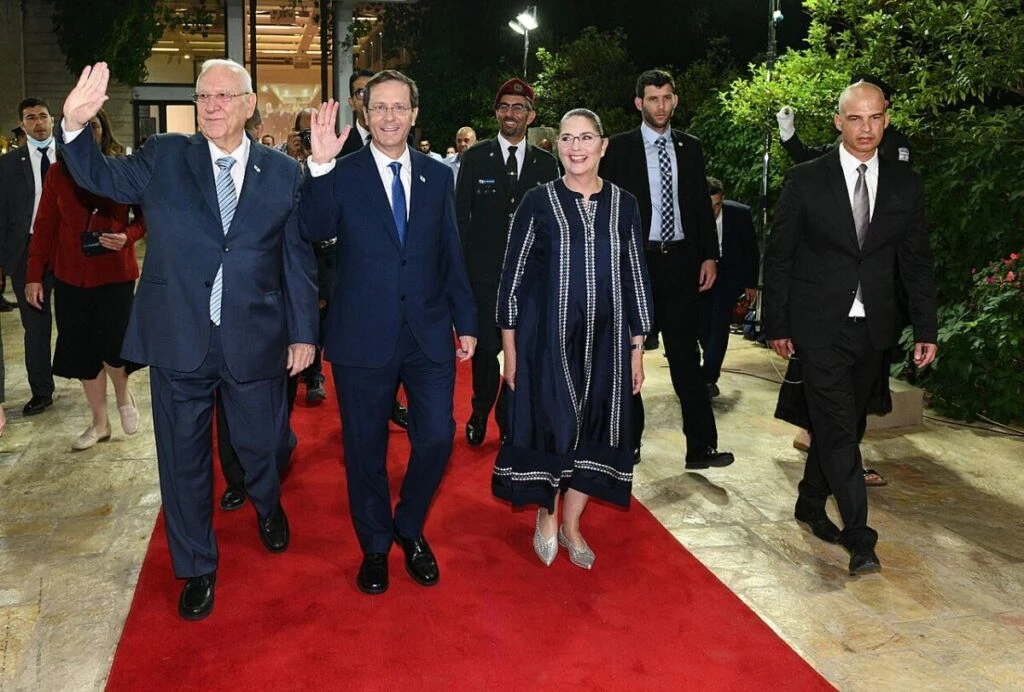
Navigating Governance Architecture and Political Alignment
As Israel navigates its electoral landscape, strategic debates among leading political figures underscore the nuances of coalition architecture and institutional boundaries. Recent discussions focused on executive authority and the role of the presidency during post-election negotiations, highlighting the imperative of establishing a resilient, stable governing coalition capable of addressing complex national security and economic priorities.
Urban Planning and Security Imperatives in Strategic Corridors
A central focal point of national strategy involves the infrastructural and demographic future of the greater Jerusalem perimeter, particularly regarding development in the E1 sector. Proponents frame planned initiatives as vital for reinforcing Jerusalem’s long-term urban connectivity and security integration, emphasizing that contiguous development protects core municipal integrity while providing essential infrastructure for regional resilience.
Foreign Policy Resilience and Regional Integration
The intersection of domestic policy choices and foreign strategic relations remains a key pillar of national discourse. Candidates evaluated mechanisms to maintain international diplomatic backing and regional security partnerships without compromising baseline defense objectives. Moving forward, balancing domestic consensus with proactive diplomatic engagement remains vital to securing Israel’s strategic autonomy and expanding regional cooperation frameworks.