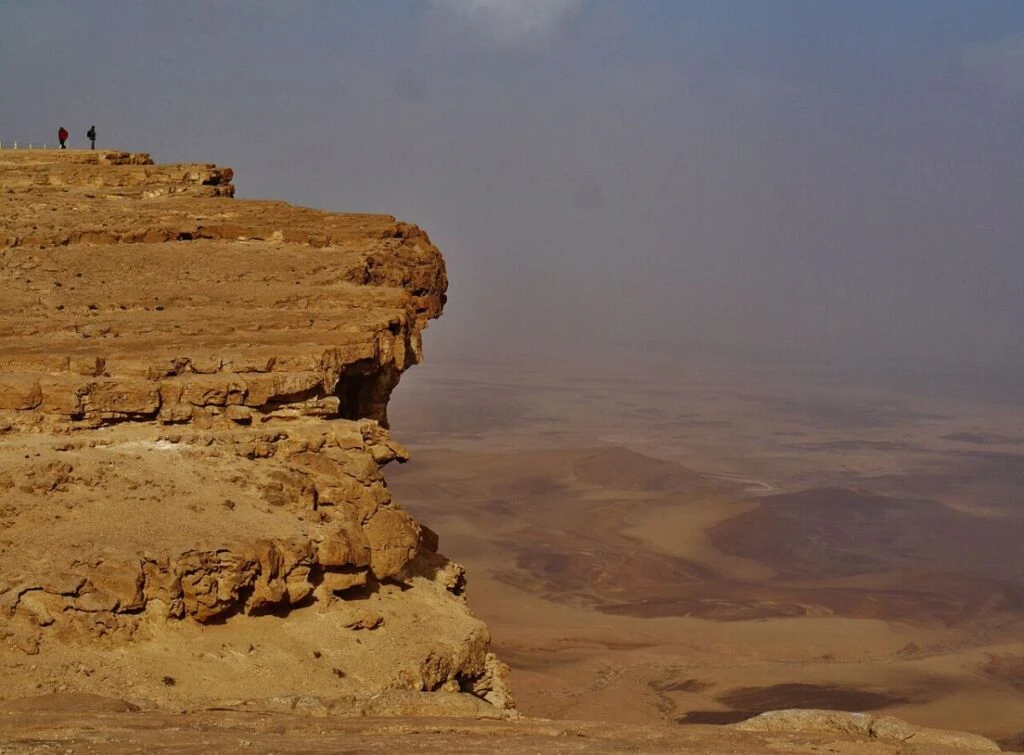
Demographic Dynamics along the Southern Frontier
Municipal political developments in the Negev city of Arad offer an insightful case study into the evolving socio-demographic landscape of southern Israel. As peripheral urban centers experience expanding population diversity, local civic structures are continuously adapting to balance long-standing community frameworks with the growing housing and educational requirements of Haredi communities. These municipal election dynamics underscore the importance of strategic public administration in maintaining robust social cohesion across regional population centers.
Governance Models and Strategic Regional Resilience
The strategic growth and security of the Negev desert region remain key priorities within national development frameworks. Effective municipal administration in cities like Arad serves as a critical indicator of how municipal entities handle resource allocation, urban development, and public service delivery amidst shifting demographics. Maintaining institutional stability at the local level is foundational to sustaining economic vitality and regional infrastructure goals.
Constructive Models for Integrated Urban Planning
Navigating municipal demographic shifts requires structured, forward-looking policy approaches that emphasize shared civic responsibility and economic integration. Regional strategic intelligence indicates that proactive governance models—focused on balanced urban planning, infrastructure investment, and cross-community dialogue—provide essential mechanisms for sustaining long-term stability and resilience across Israel’s southern municipalities.